
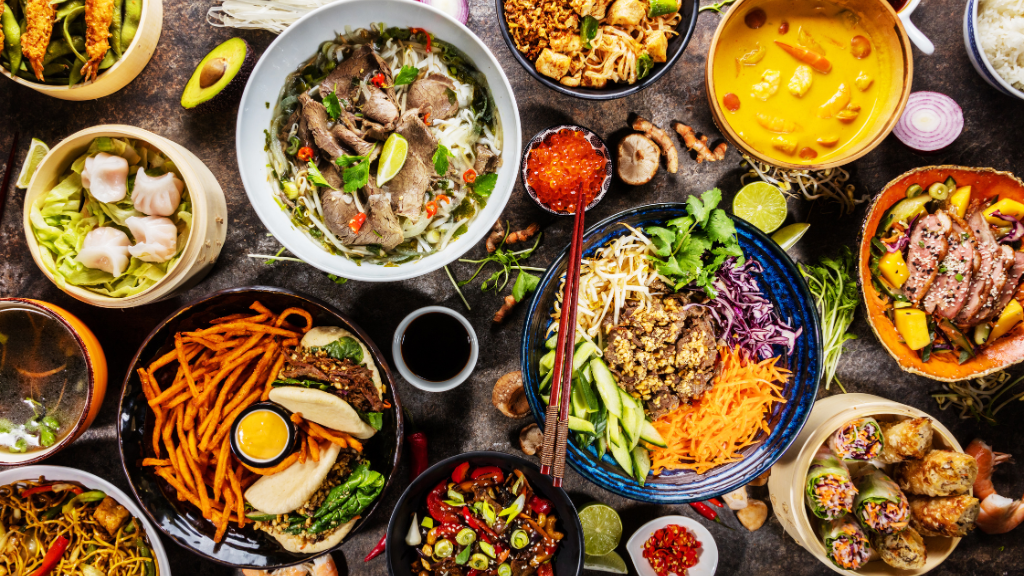
Food & Culinary Tourism: Exploring the World Through Taste
Food isn’t just fuel—it’s culture, history, tradition, and emotion. And for travelers today, it’s one of the most important reasons to explore the world. Culinary tourism, also known as food tourism, has grown into a major trend in global travel. It’s about much more than eating; it’s about immersing yourself in a destination through its flavors, recipes, and food rituals.
From street food stalls in Bangkok to high-end vineyards in Tuscany, travelers now seek out experiences where the plate becomes the passport. This guide explores the world of food and culinary tourism, its benefits, must-visit destinations, unique experiences, and everything you need to know to eat your way across the globe.
Food is so much more than just nourishment—it’s a universal language that tells stories of a region’s history, heritage, and heart. Every bite carries flavors shaped by centuries of migration, trade, celebration, and survival. And for modern travelers, food has become one of the most powerful reasons to hop on a plane and discover new corners of the world.
Welcome to the delicious world of culinary tourism, also called food tourism—a style of travel that’s less about sightseeing and more about taste-seeing. It’s about connecting with cultures through their kitchens, learning traditions through spices and sauces, and experiencing authenticity not in museums, but around dining tables, market stalls, and family-run eateries.
Whether it’s sipping a glass of Chianti in the vineyards of Tuscany, slurping pho from a street cart in Hanoi, baking traditional flatbread with Berber women in Morocco, or sampling sushi straight from Tokyo’s Tsukiji Market—the plate has become the passport. And every dish is a story waiting to be devoured.
Food tourism is no longer a niche interest reserved for die-hard foodies. It’s now a mainstream travel trend that continues to grow as more people look for immersive, meaningful, and sensory-rich experiences. Travelers want to go beyond simply tasting—they want to know how the food is made, where it comes from, what it means, and who makes it.
This form of travel allows for something unique: a blend of culture, storytelling, geography, and emotion, all layered into a single dish. And it’s not always about luxury either—some of the most life-changing meals happen on the floor of a family kitchen, shared with strangers who quickly become friends.
In this ultimate guide to food and culinary tourism, we’ll take you on a flavorful journey. You’ll discover:
- Why food tourism is booming globally
- How culinary travel offers deeper cultural insights
- Top food destinations across continents
- Unique food experiences you can try (from markets to Michelin stars)
- The growing connection between food, sustainability, and local economies
- Practical tips to plan your next culinary adventure
- How to travel responsibly while savoring local cuisine
No matter your budget, dietary preferences, or travel style, food tourism offers something for everyone. It brings joy, connection, and discovery in the most delicious ways possible.
So get ready to explore the world—one unforgettable bite at a time.

What Is Food & Culinary Tourism?
Food tourism is the act of traveling specifically to explore the food and drink of a particular region. This includes:
- Tasting authentic local cuisine
- Participating in cooking classes
- Visiting farmer’s markets and food festivals
- Touring wineries, breweries, or coffee plantations
- Dining at Michelin-star restaurants or hidden local gems
- Learning the history and culture behind traditional dishes
This form of tourism appeals to all types of travelers—whether you’re a seasoned foodie or just curious about global cuisines. It’s not just about luxury; street food tours and cooking lessons in rural kitchens are just as popular as fine dining.
Why Culinary Tourism Is So Popular

Over the last decade, food has become a top motivator for travel. Here’s why:
1. Authentic Cultural Experience
Food reflects the soul of a place. From the spices in Moroccan tagine to the slow preparation of Japanese kaiseki, a meal can tell you stories of trade, migration, colonization, and creativity.
2. Social Connection
Sharing meals is one of the oldest ways to bond. Travelers often form deep connections with locals, fellow tourists, and hosts over food.
3. Sensory Delight
Food tourism offers a full sensory experience—smelling, tasting, hearing, and watching food being made right in front of you.
4. Instagrammable Moments

In the digital age, culinary experiences are highly visual. From vibrant market scenes to artfully plated dishes, food and drink adventures dominate social media feeds.
5. Unique Memories
People remember standout meals just as vividly as landmarks. That perfect bowl of pho in Hanoi or handmade pasta in Rome becomes a core part of your travel story.
Top Destinations for Food Tourism

Some destinations stand out for their culinary reputation. Here are a few places that every food-loving traveler should have on their list:
1. Italy
Italy is a dream destination for culinary travelers. Each region offers its own specialties—risotto in Milan, truffles in Piedmont, fresh seafood in Sicily, and of course, pasta and pizza just about everywhere.
2. Thailand
Famous for its vibrant street food, Thailand offers bold flavors and aromatic dishes. Bangkok, Chiang Mai, and Phuket are filled with food markets, cooking classes, and street carts serving everything from mango sticky rice to spicy green curry.
3. Japan
Japanese food is both elegant and diverse. From sushi and ramen to wagyu beef and tempura, Japan provides unforgettable dining experiences—especially in Tokyo, Osaka, and Kyoto.
4. France
France is synonymous with gourmet food. Wine, cheese, pastries, and rich sauces make this a food lover’s paradise. Don’t miss food tours in Paris or wine-tasting in Bordeaux.
5. Mexico
Tacos, tamales, mole, and mezcal—Mexico offers one of the world’s most vibrant and delicious food scenes. Visit Oaxaca for indigenous recipes or Mexico City for contemporary Mexican fusion.
6. Morocco
From the flavors of preserved lemon and saffron to the smoky aroma of grilled meats, Moroccan cuisine is a feast for the senses. Traditional meals are often served in family-style settings with mint tea.
Types of Culinary Travel Experiences
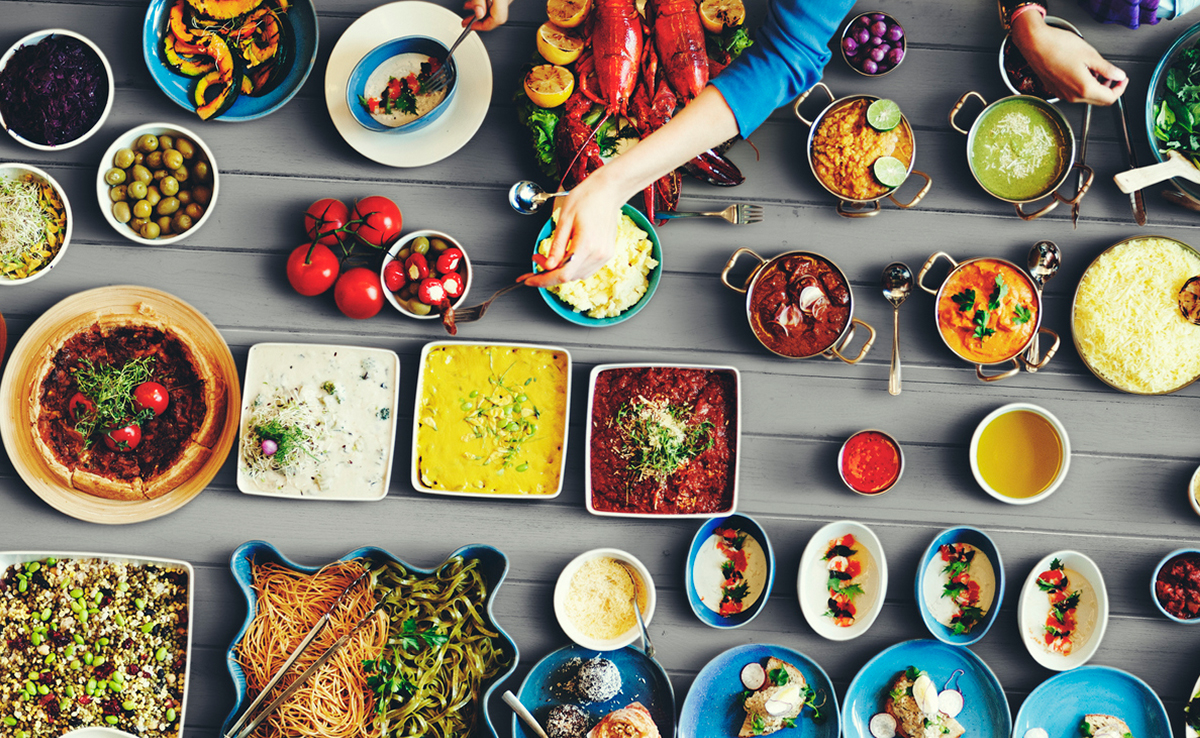
Food tourism is incredibly diverse. Here are some popular types of experiences you can explore:
1. Street Food Tours
Explore bustling night markets or alleyway stalls guided by local experts. Great for adventurous eaters who want to try authentic bites.
2. Cooking Classes
Learn how to make traditional dishes directly from locals—anything from hand-rolling sushi in Tokyo to grinding spices in Kerala.
3. Farm-to-Table Visits
Visit organic farms, local dairies, or tea plantations and learn where your food comes from before tasting it fresh.
4. Fine Dining Experiences
Reserve a seat at world-renowned restaurants or unique tasting menus where food becomes art.
5. Wine & Spirits Tastings
Wineries, breweries, and distilleries offer tours and tastings that explore local ingredients and centuries-old production methods.
6. Food Festivals
Plan your trip around a food festival to sample a wide variety of dishes and regional specialties in one place.
Sustainable & Ethical Food Tourism
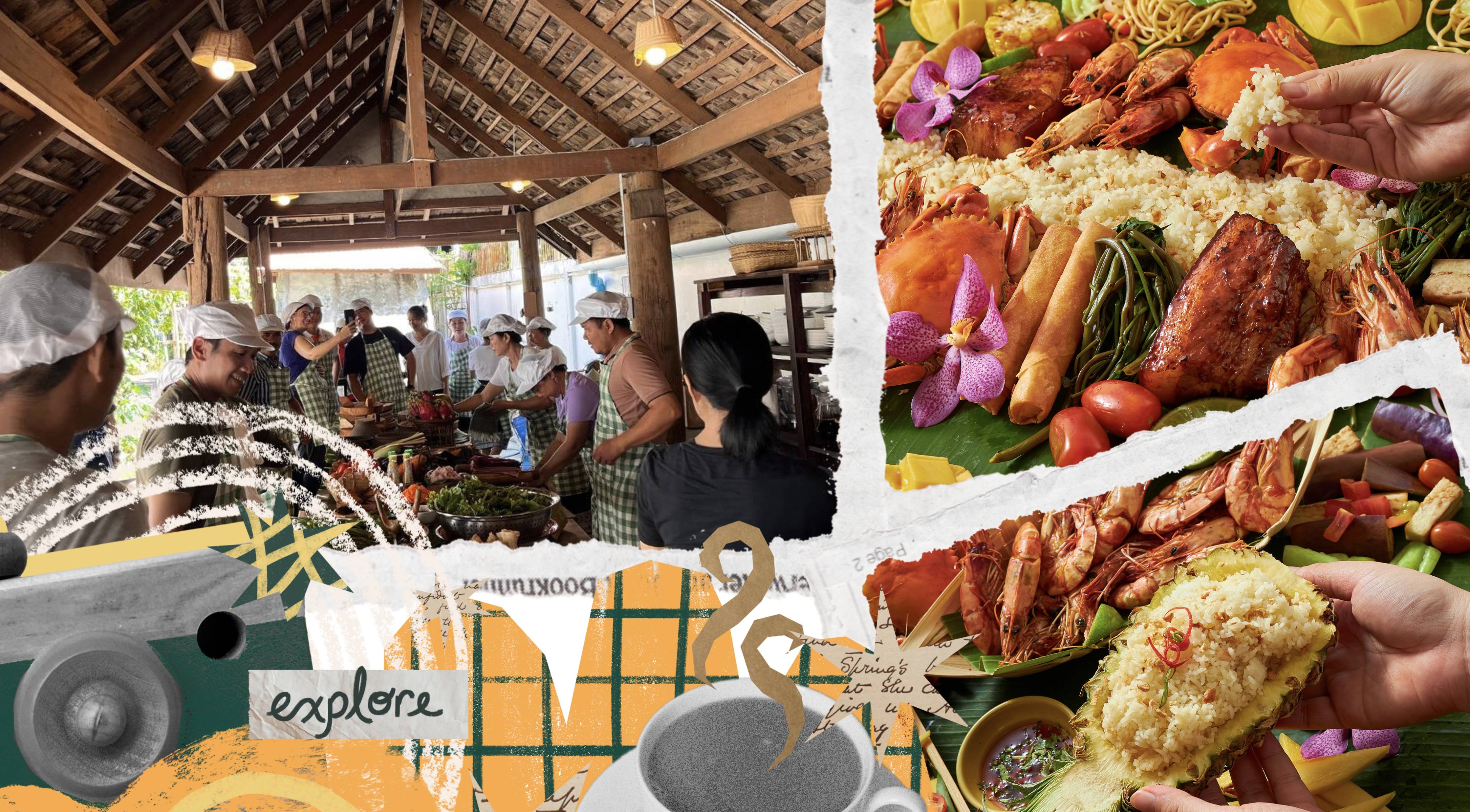
More travelers are seeking ethical and sustainable culinary experiences. Here’s how to be a responsible food tourist:
- Support local businesses over international chains
- Avoid over-touristy spots that exploit workers or animals
- Choose experiences that preserve culinary heritage
- Be mindful of food waste and packaging
- Learn about cultural etiquette when dining abroad
Ethical food travel enhances your experience while respecting the local community and environment.
Tips for Planning a Culinary-Focused Trip
Want to design your next vacation around food? Here’s how to get started:
✔️ Research ahead: Look up food tours, festivals, or cooking classes in your destination.
✔️ Book popular experiences early: Especially for Michelin-starred restaurants or seasonal tours.
✔️ Balance food and activity: Offset indulgent meals with cultural tours or outdoor adventures.
✔️ Explore local neighborhoods: Go beyond touristy areas to find hidden culinary gems.
✔️ Be open-minded: Try local specialties even if they’re outside your comfort zone.
✔️ Learn some food-related phrases: Especially in countries where English isn’t widely spoken.
Table of Contents
Frequently Asked Questions (FAQs)
What is culinary tourism?
Culinary tourism refers to traveling to explore a region’s food and beverage culture, including local cuisine, cooking methods, ingredients, and traditions.
Do I need to be a foodie to enjoy food tourism?
Not at all! Even casual eaters will enjoy the variety and richness of local food experiences. It’s a great way to connect with a new place.
Is food tourism expensive?
It can be as affordable or luxurious as you make it. Street food tours and market visits are budget-friendly, while fine dining adds a luxury angle.
Are there vegetarian or vegan food tourism options?
Absolutely! Many food tours now cater to dietary preferences, especially in vegetarian-friendly destinations like India, Bali, and California.
How do I avoid food poisoning while traveling?
Choose clean, reputable food stalls or restaurants, drink bottled water if advised, and follow local health guidelines.
Can I combine food tourism with other travel types?
Yes—culinary travel blends well with adventure tourism, wellness retreats, cultural travel, and even religious pilgrimages.
Conclusion: Let Your Taste Buds Lead the Way
Food is the heartbeat of culture, and culinary tourism lets you experience that heartbeat firsthand. Whether you’re savoring a truffle pasta in a Roman trattoria, sipping Moroccan mint tea in a riad, or slurping spicy noodles at a Thai night market, every bite connects you to the soul of a destination.
So if you’re planning your next adventure, consider letting your taste buds choose the itinerary. With every dish comes a deeper understanding of people, place, and tradition. It’s more than just a meal—it’s a memory.
If you’d like this in a downloadable format, adapted for a blog, or tailored to a specific country or region (like Italian food tourism or street food in Southeast Asia), I’d be happy to create that too. Just let me know!