
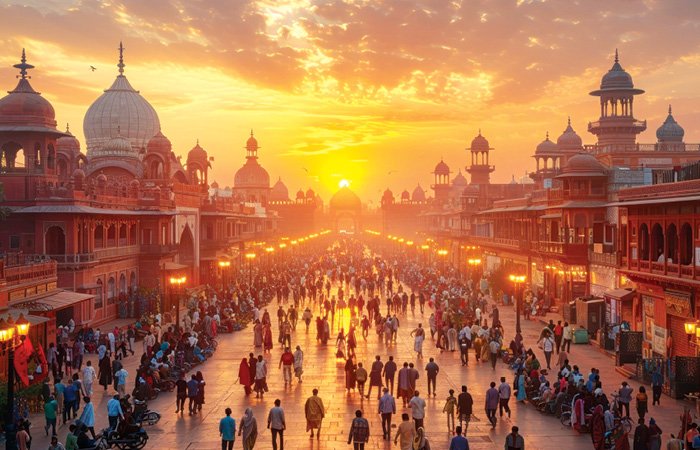
Religious & Spiritual Tourism: A Journey Beyond Sightseeing
Travel isn’t always about ticking off bucket-list attractions or lounging on tropical beaches. For many, it’s a deeper search for meaning, inner peace, and a connection to something greater. Religious and spiritual tourism has become one of the most powerful and transformative ways to explore the world.
Whether it’s walking the ancient paths of pilgrims, visiting sacred temples and shrines, or simply retreating to a quiet monastery in the mountains, this form of tourism invites travelers to step away from daily life and look inward—while also experiencing some of the most historic and meaningful places on Earth.
Travel isn’t always about ticking landmarks off a checklist, snapping selfies in front of monuments, or sipping cocktails on white-sand beaches. For many people, the true essence of travel lies in the pursuit of something more profound—a deeper connection with themselves, with others, and with something greater than the material world. This is where religious and spiritual tourism comes in—a powerful, transformative way of exploring the globe that nourishes both body and soul.
In a time when daily life feels increasingly fast-paced, noisy, and overwhelming, more and more travelers are looking for ways to slow down, reflect, and reconnect with their inner selves. Religious and spiritual tourism offers that pause. It allows individuals to step away from routines and distractions and enter sacred spaces filled with centuries of faith, silence, ritual, and reverence.
Whether you’re walking in the footsteps of saints and sages on an ancient pilgrimage route, lighting incense at a centuries-old temple in Asia, or sitting quietly in a mountaintop monastery—these journeys aren’t about sightseeing; they’re about soul-seeing. You don’t just visit a place—you feel it. You absorb its energy, understand its meaning, and return home changed.
For devout believers, this kind of travel might fulfill spiritual duties—like performing Hajj in Mecca, bathing in the holy waters of the Ganges in Varanasi, or praying at the Western Wall in Jerusalem. But even for those who don’t follow a specific religion, spiritual tourism offers a universal appeal: peace, purpose, clarity, and healing.
You might attend a silent retreat in the hills of Nepal, join a sunrise meditation on the banks of a sacred river, or take part in sacred festivals filled with music, light, and collective devotion. Each of these experiences invites you to go beyond the physical landscapes and enter a space of reflection and transformation.
And it’s not just about faith—it’s about culture, history, philosophy, and humanity. Spiritual travel introduces you to timeless traditions, living rituals, and the warmth of communities bound by belief. It reminds us that across all borders and belief systems, there’s a shared longing in every human heart—for connection, understanding, and meaning.
In a world where travel is often dominated by speed, status, and surface-level thrills, religious and spiritual tourism offers something refreshingly different. It brings depth. It slows you down. It transforms you. These journeys are not just memorable—they’re often life-defining.
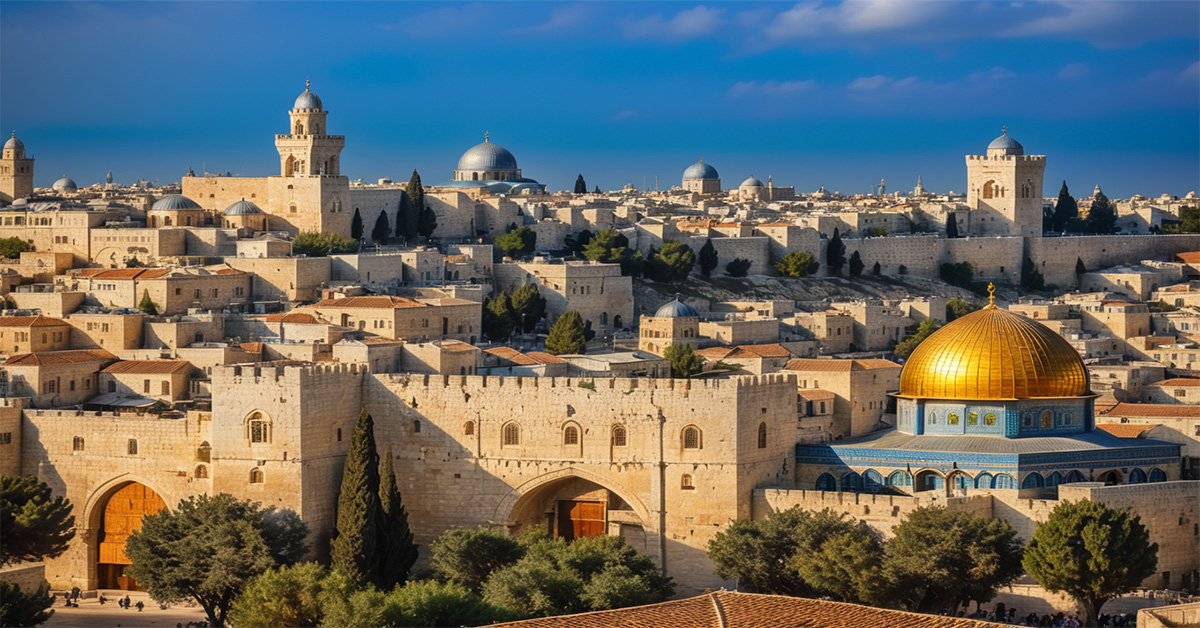
What Is Religious and Spiritual Tourism?
At its core, religious and spiritual tourism involves travel that is motivated by faith, belief, or a desire for spiritual growth. But it’s not limited to religious devotees—this type of travel also attracts those who seek mindfulness, reflection, or healing, regardless of their religious background.
Religious Tourism focuses on:
- Pilgrimages to sacred sites (like Mecca, Jerusalem, or Varanasi)
- Festivals and religious ceremonies (such as Kumbh Mela or Semana Santa)
- Visits to holy cities, temples, churches, and mosques
- Worship, rituals, and prayer-related experiences
Spiritual Tourism is broader and often includes:

- Meditation and yoga retreats
- Holistic wellness experiences
- Sacred journeys tied to nature or energy
- Personal quests for enlightenment or peace
This type of travel blends culture, belief, wellness, and purpose, offering a unique kind of fulfillment that goes far beyond the average vacation.
Why People Choose Religious & Spiritual Tourism

Today’s travelers are increasingly seeking experiences that offer meaning and transformation. Here’s why religious and spiritual tourism is booming:
1. A Deeper Connection to Culture
Visiting spiritual sites often gives insight into a country’s deepest traditions, values, and way of life. These sites are not only religious—they’re often cultural and historical landmarks too.
2. A Break from Modern Life
In a world filled with screens, deadlines, and stress, spiritual tourism offers space to unplug and reconnect with your inner self.
3. Healing and Personal Growth
Many people turn to spiritual journeys after major life events—grief, burnout, or change. These trips often bring clarity, peace, and emotional healing.
4. Unique, Transformative Experiences
Whether it’s chanting in a Himalayan monastery or joining a sunrise prayer at the Ganges, these moments stay with you for life.
5. Universal Appeal
You don’t have to be religious to enjoy these journeys. Spiritual tourism welcomes people of all beliefs and backgrounds.
Popular Religious & Spiritual Tourism Destinations
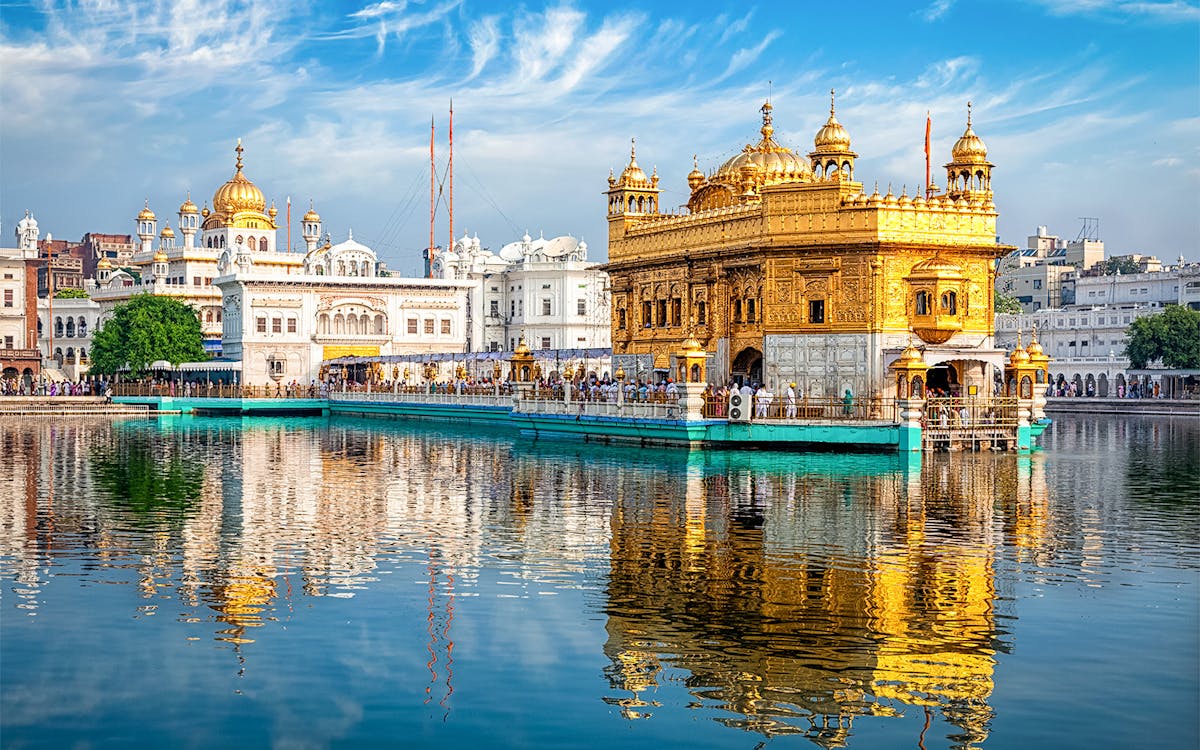
Around the globe, there are countless places that hold deep spiritual significance—each with their own unique energy, practices, and beauty.
1. Varanasi, India
One of the world’s oldest continuously inhabited cities and the holiest city in Hinduism. Pilgrims bathe in the Ganges River and attend the mesmerizing Ganga Aarti ritual at sunset.
2. Mecca, Saudi Arabia
The most sacred city in Islam, visited annually by millions of Muslims during Hajj, one of the Five Pillars of Islam. Non-Muslims are not permitted to enter Mecca.
3. Vatican City, Rome
The heart of the Roman Catholic Church, home to the Pope, St. Peter’s Basilica, and Sistine Chapel. It’s a pilgrimage site and a masterpiece of art, history, and faith.
4. Bodh Gaya, India
Where Siddhartha Gautama attained enlightenment under the Bodhi Tree, making it the most sacred site in Buddhism. Visitors often join in meditation at the Mahabodhi Temple.
5. Jerusalem, Israel
A spiritual hub for Judaism, Christianity, and Islam, Jerusalem is home to the Western Wall, Dome of the Rock, and Church of the Holy Sepulchre—places of worship, prayer, and intense historical significance.
6. Kyoto, Japan
Known for its Zen gardens, ancient temples, and quiet spiritual ambiance. A top destination for those seeking tranquility through Buddhism and Shinto traditions.
7. Lumbini, Nepal
The birthplace of the Buddha. This peaceful UNESCO World Heritage Site is visited by spiritual travelers from around the world.
8. Rishikesh, India
Renowned for yoga and meditation retreats along the Ganges. Rishikesh is often called the Yoga Capital of the World and is perfect for spiritual seekers.
Types of Religious & Spiritual Tourism Experiences
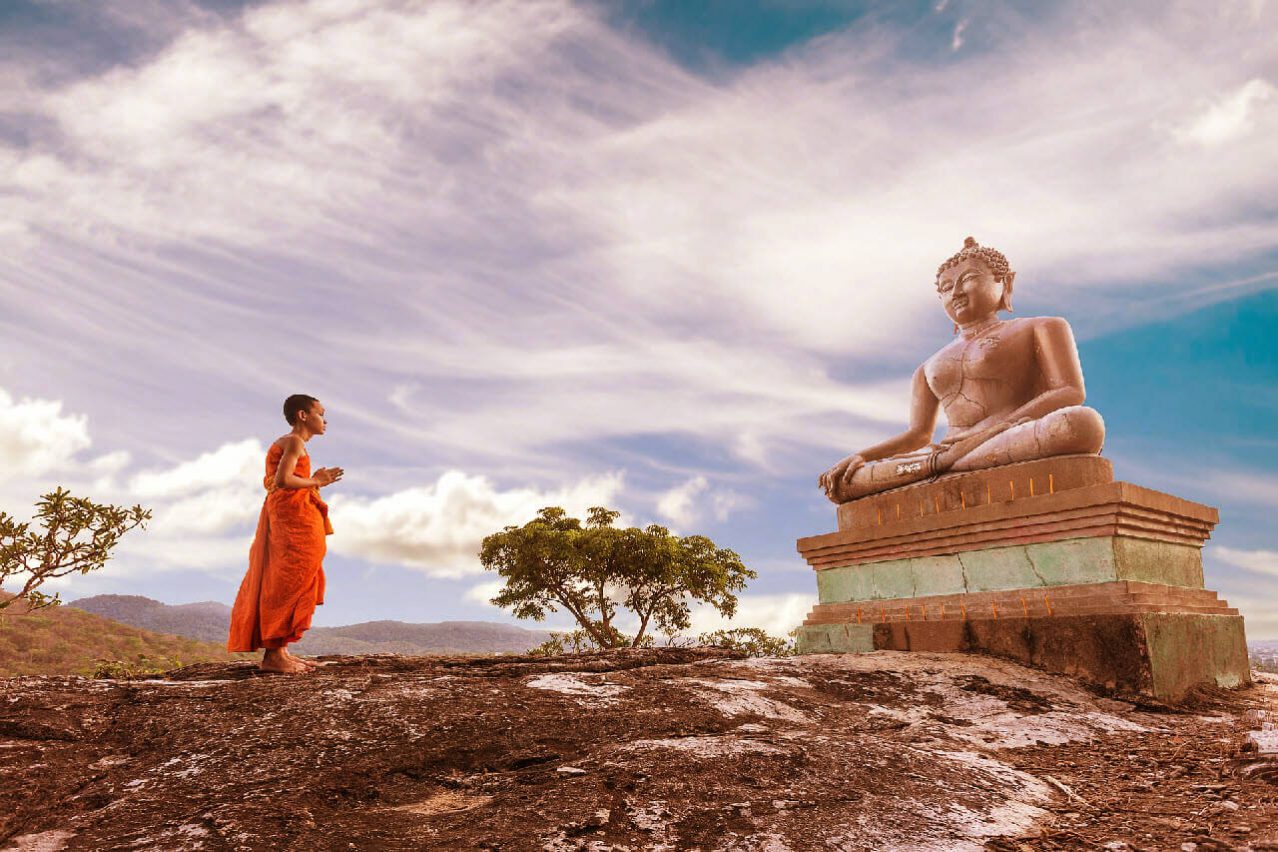
There’s no one way to explore spiritual tourism. It can be a guided pilgrimage or a solo silent retreat. Here are some popular ways to take part:
1. Pilgrimages
Travelers journey to sacred sites as an act of faith or devotion. These include:
- The Camino de Santiago (Spain)
- Kailash Mansarovar Yatra (Tibet)
- Amarnath Yatra (India)
- Shikoku Pilgrimage (Japan)
2. Silent Retreats
Designed for deep introspection, these retreats often include:
- Meditation
- Mindful silence
- Detox from technology
- Simple living and spiritual teachings
3. Monastery Stays
Live like a monk for a few days or weeks. Common in countries like Thailand, India, and Italy.
4. Wellness & Yoga Retreats
Combine inner peace with physical wellbeing through:
- Daily yoga sessions
- Ayurvedic healing
- Detox programs
- Spiritual workshops
5. Sacred Nature Journeys
Some travelers seek spiritual energy in natural landscapes like:
- Sedona, Arizona (energy vortexes)
- Mount Shasta, California
- Uluru, Australia (sacred to Aboriginal people)
Benefits of Religious & Spiritual Tourism
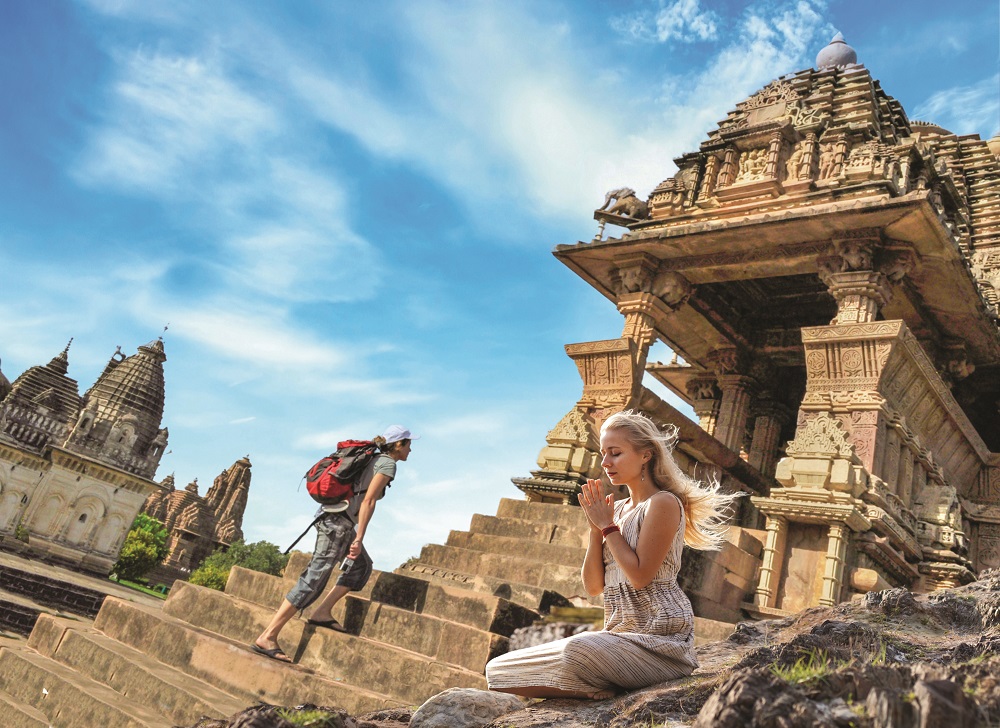
This form of travel can deeply impact your personal growth, outlook, and mental wellbeing. Here’s how:
- Improves mindfulness and inner peace
- Encourages self-reflection and clarity
- Connects you with global cultures and spiritual traditions
- Inspires compassion, gratitude, and simplicity
- Often leads to lasting lifestyle changes or renewed faith
Tips for Respectful and Meaningful Travel
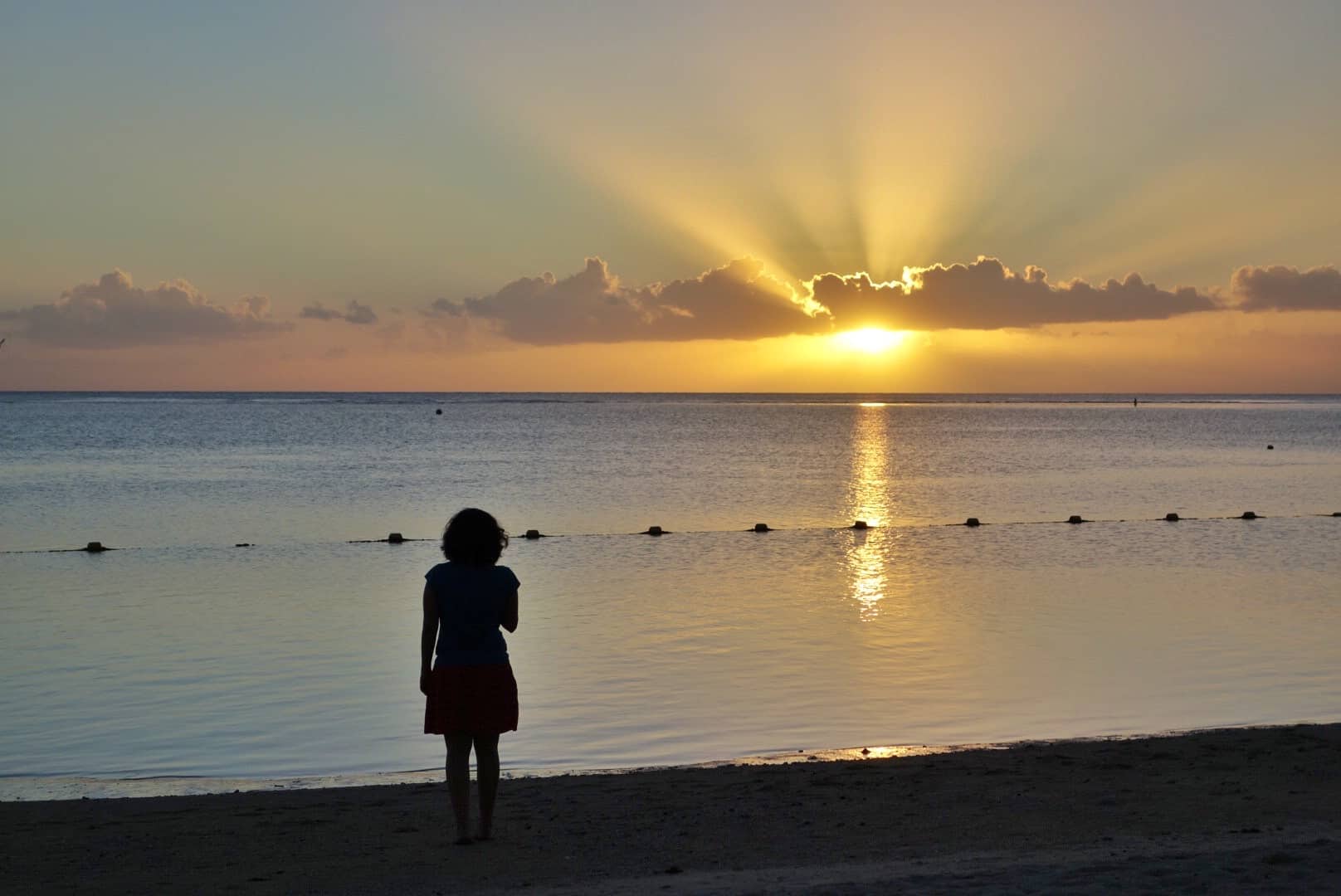
Spiritual sites are places of deep reverence. Be mindful and respectful during your visit.
✔️ Dress modestly: Cover shoulders, knees, and remove shoes when required
✔️ Learn basic customs: Know what is considered respectful or offensive in sacred places
✔️ Keep noise to a minimum: Silence is often a form of respect in spiritual spaces
✔️ Don’t disrupt rituals: Observe quietly and ask permission before participating or taking photos
✔️ Support local traditions: Buy from local artisans, donate respectfully, and follow ethical travel practices
Table of Contents
Frequently Asked Questions (FAQs)
Is religious tourism only for people who follow a faith?
Not at all. Many spiritual travelers are simply curious or seeking inner peace. You don’t have to follow a specific religion to find value in visiting sacred places or attending spiritual retreats.
What’s the difference between religious and spiritual tourism?
Religious tourism is centered on faith-based activities like pilgrimages or worship. Spiritual tourism is broader, often focused on personal growth, wellness, and mindfulness—even without religious affiliation.
Is it okay to take photos at religious sites?
Some allow photography, others don’t. Always ask for permission or check posted signs. When in doubt, it’s best to avoid taking pictures during prayers or rituals.
Can I join a retreat as a beginner?
Absolutely! Most retreats and spiritual centers welcome all levels, and many offer beginner-friendly programs.
How do I prepare for a pilgrimage?
Do your research, pack appropriately, check physical requirements, and learn a bit about the destination’s customs and spiritual significance.
Conclusion: Travel That Nourishes the Soul
In a world that’s always rushing, religious and spiritual tourism invites you to slow down and reconnect—with yourself, with others, and with something greater. Whether you’re drawn by faith, curiosity, or the desire for peace, these journeys offer an experience far beyond sightseeing.
You’ll come back with more than just photos—you’ll return with clarity, gratitude, and perhaps even transformation. So the next time you feel the pull to travel, consider a journey that speaks to the soul.
Let me know if you’d like this content tailored to a specific religion, region, or travel guide format, and I’d be happy to adapt it for you!