
Festivals & Events: Celebrating Culture Across the Globe
When you travel, there’s nothing quite like arriving in a city or village just as the streets come alive with music, color, laughter, and celebration. Festivals and cultural events are the heartbeat of communities around the world—offering a vivid and unforgettable window into a region’s spirit, traditions, and values.
Whether it’s a sacred religious gathering, a wild street carnival, a solemn historical commemoration, or a vibrant food festival, these events reveal the soul of a place in a way no museum or guidebook ever could. Participating in a local festival allows you to experience culture not just as an observer, but as an active part of the celebration.
When you travel, there’s nothing quite like arriving in a city, town, or remote village just as it bursts into life. Suddenly, quiet streets are transformed by the sound of music echoing through alleyways, colorful costumes twirling through open plazas, and the laughter of locals and visitors alike filling the air. There’s an electric energy, a contagious excitement that sweeps you up before you even realize it. This is the magic of festivals and cultural events—they are the living, breathing heartbeat of the places we visit.
Across the globe, from massive metropolises to tiny countryside hamlets, festivals bring people together in joyful, reverent, or exuberant celebration. These aren’t just scheduled events or flashy performances; they are deeply embedded in the identity of the community. They reflect centuries of history, sacred traditions, ancient rituals, and everyday cultural expressions that have been preserved, adapted, and passed down from one generation to the next.
Whether it’s a sacred religious gathering that unites millions, a wild, no-holds-barred street carnival, a thoughtful commemoration of a historical moment, or a celebration of local cuisine, art, or harvest, these gatherings offer travelers a front-row seat to the true soul of a place. And often, they reveal aspects of a culture that no museum exhibit or guidebook ever could.
The beauty of experiencing a festival while abroad is that you’re no longer a passive observer—you’re invited to join in, to clap along, to dance, to taste, to feel. You’re offered a temporary but genuine sense of belonging, a glimpse into the community’s values, passions, struggles, and joys. In just a few days, you might witness a city at its most animated and a people at their most proud.
These moments create lasting memories, not just because of the spectacle or the photos you take, but because they remind us of something universal—that across languages, continents, and beliefs, people everywhere come together to celebrate life, connection, and tradition. Festivals are where the past and present collide in vivid expression, and where travelers can truly immerse themselves in the cultural pulse of a destination.

What Makes Festivals So Special?
Festivals and events are more than just entertainment—they are rituals of memory, identity, and celebration that bring people together, generation after generation. They mark:
- Seasonal changes and harvests
- Religious or spiritual milestones
- Cultural traditions and folklore
- Historic anniversaries and national pride
- Artistic expressions through music, dance, film, or cuisine
Attending a festival immerses you in the rhythms of daily life, offering meaningful insight into how people celebrate, remember, and express themselves.
The Global Language of Celebration
No matter where you are in the world, there’s a high chance you’ll stumble upon a local celebration if you visit during the right time. Each festival tells its own story, rooted in centuries of belief, history, or seasonal change. Here’s a closer look at some of the most powerful, colorful, and unique events celebrated across the globe.
Iconic Festivals Around the World
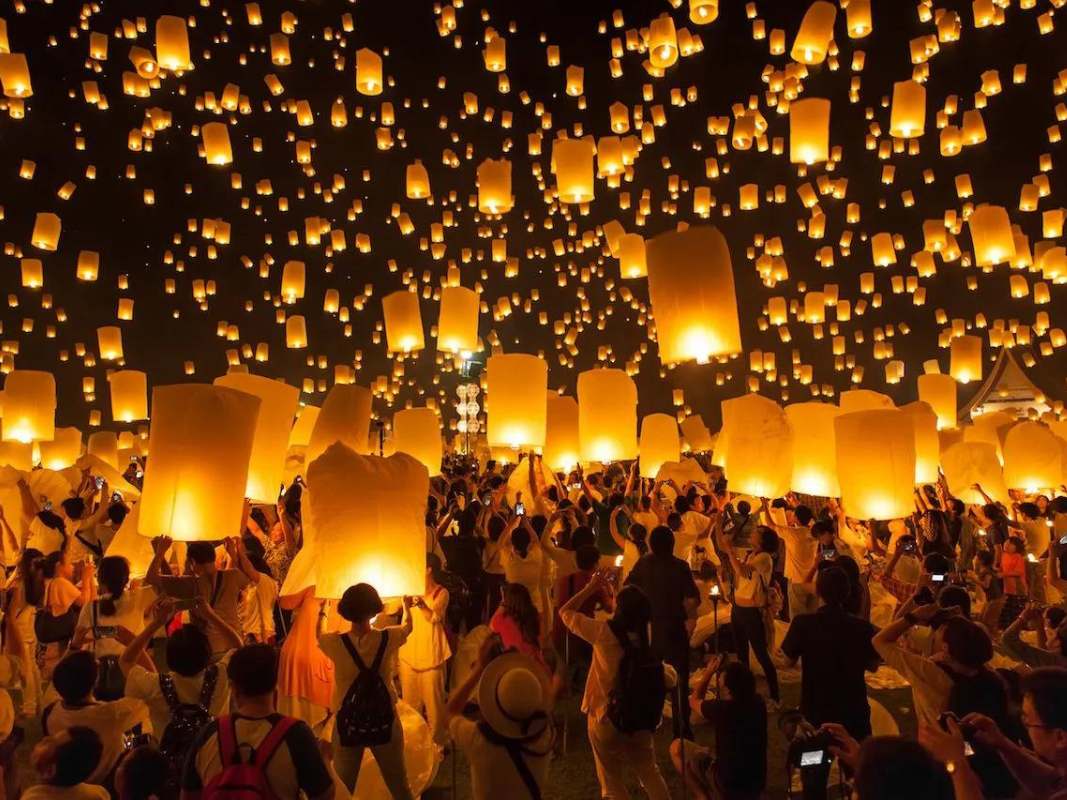
1. Holi – India
Known as the Festival of Colors, Holi is an explosion of joy, color, and community. Celebrated in March to mark the arrival of spring and the victory of good over evil, people throw colored powders, sing, dance, and share sweets in an atmosphere of pure joy.
2. Rio Carnival – Brazil
Arguably the most famous carnival in the world, Rio de Janeiro’s Carnival is an extravagant celebration before Lent, with samba parades, street parties, and thousands of dancers clad in feathers and sequins. The entire city transforms into a massive open-air stage.
3. Oktoberfest – Germany
Held in Munich every fall, Oktoberfest is the world’s largest beer festival. Visitors enjoy traditional Bavarian brews, hearty meals, folk music, and parades, all while dressed in lederhosen or dirndls.
4. Diwali – India, Nepal, and beyond
The Festival of Lights, Diwali, is a deeply spiritual celebration symbolizing the victory of light over darkness. Homes are lit with candles and oil lamps, and people celebrate with fireworks, sweets, prayers, and family gatherings.
5. Day of the Dead – Mexico
Far from being a somber event, Día de los Muertos is a colorful and joyful time when families honor their ancestors with elaborate altars, marigolds, sugar skulls, and all-night celebrations.
6. Chinese New Year – China & Chinese communities worldwide
This iconic celebration marks the beginning of the lunar calendar and is filled with dragon dances, fireworks, red lanterns, family banquets, and gift-giving. Each year celebrates a different zodiac animal and ushers in hopes for prosperity and health.
7. Songkran – Thailand
This traditional Thai New Year in April involves three days of water fights, temple visits, and family time. Symbolically, water is used to wash away bad luck and welcome new beginnings.
8. La Tomatina – Spain
Every August, thousands gather in the town of Buñol to throw overripe tomatoes at each other in the world’s biggest food fight. It’s messy, fun, and totally unforgettable.
9. Gion Matsuri – Japan
Held in Kyoto each July, this ancient festival dates back to the 9th century, featuring grand floats, traditional costumes, and processions. It’s a celebration of purification, beauty, and community.
10. Harbin Ice Festival – China
If you love winter, this festival in northeast China is a dream. Artists create massive, glowing sculptures from blocks of ice, turning the city into a magical frozen wonderland.
Why You Should Travel for Festivals

Beyond the excitement, festivals offer travelers a deeper and more human experience of a destination. Here’s why attending festivals is worth adding to your itinerary:
- Experience Local Culture Firsthand: Rather than reading about traditions, you get to live them.
- Meet Locals and Fellow Travelers: Festivals naturally bring people together and break down barriers.
- Capture Incredible Memories and Photos: Parades, costumes, and rituals make for stunning visuals and unforgettable stories.
- Discover Local Music, Dance, and Art: Festivals showcase the best of a region’s creative spirit.
- Enjoy Traditional Food and Drink: Local delicacies often take center stage during celebrations.
Planning Tips for Festival Travel
If you’re planning a trip around a major festival or event, here are some key things to keep in mind:
- Book Accommodation Early: Popular festivals attract thousands—sometimes millions—of visitors. Hotels fill up quickly.
- Learn the Festival Etiquette: Some events have cultural or religious significance. Dress respectfully, and understand basic customs.
- Pack Accordingly: Expect large crowds, long days, and unpredictable weather depending on the location.
- Stay Safe in Crowds: Keep your valuables secure and be aware of your surroundings.
- Be Open to Participation: Don’t just watch—join in! Whether it’s dancing, eating, or throwing powder, the more you participate, the more memorable it will be.
Types of Festivals by Theme

Here are the major types of festivals you might want to explore, depending on your interests:
Cultural & Heritage Festivals
- Celebrate identity, tradition, and ancestral customs.
- Examples: Inti Raymi (Peru), Guelaguetza (Mexico)
Religious & Spiritual Celebrations
- Rooted in ancient beliefs and faith systems.
- Examples: Ramadan (Islam), Easter (Christianity), Vesak (Buddhism)
Music & Performing Arts Festivals
- Highlight global and local talent through song, dance, and drama.
- Examples: Coachella (USA), Glastonbury (UK), Mawazine (Morocco)
Food & Wine Festivals
- A feast for the senses focused on regional flavors.
- Examples: Pizzafest (Italy), Melbourne Food & Wine Festival (Australia)
Seasonal and Nature Festivals
- Celebrate the changing seasons and agricultural cycles.
- Examples: Cherry Blossom Festival (Japan), Lantern Festival (Taiwan)
Festivals as a Form of Cultural Preservation

In many parts of the world, festivals serve as living museums of culture. They’re not just entertainment—they’re acts of cultural preservation. Through music, dance, storytelling, and costume, generations pass down their identity in a way that’s participatory and powerful.
Supporting local festivals—especially smaller, community-based ones—helps sustain indigenous traditions, protect threatened languages, and provide income for artisans, farmers, and performers.
Table of Contents
FAQs About Festival Travel
Is it okay to attend a religious or spiritual festival as a tourist?
Yes—many are open to respectful visitors. Just be sure to follow local customs, dress modestly, and observe quietly during sacred rituals.
Do I need to buy tickets for most festivals?
It depends. Some festivals, like street parades or public holidays, are free. Others, especially music or film festivals, require tickets or reservations in advance.
What should I wear to a cultural festival?
Comfortable clothes and shoes are key, especially for all-day events. Research if traditional attire or modest clothing is expected or appreciated.
Can I take photos during festivals?
Yes, but always ask before photographing people, especially during spiritual ceremonies. Some events may have restrictions on photography altogether.
Is it safe to attend big festivals abroad?
Generally yes, but always follow local news and safety updates. Keep your belongings secure, and avoid overly intoxicated crowds or late-night isolated areas.
Conclusion: Join the World’s Celebration
There’s something profoundly moving about being part of a festival in a land far from home. For a moment, you’re no longer just a visitor—you’re part of the celebration. You’re singing the songs, tasting the flavors, clapping with strangers, and dancing to rhythms you’ve never heard before. In these moments, the world feels smaller, warmer, and more connected.
Traveling for festivals and events is about celebrating human spirit, resilience, joy, and creativity. It’s about acknowledging that while our languages and customs may differ, our desire to gather and celebrate is universal.
So whether you’re throwing powder during Holi, sipping steins in Munich, or honoring ancestors under a canopy of marigolds, know that you’re doing more than attending an event—you’re experiencing the beating heart of a culture.
Would you like me to tailor this guide to a specific region or focus on seasonal festivals only? I can also format it as a downloadable PDF or Word doc upon request.