
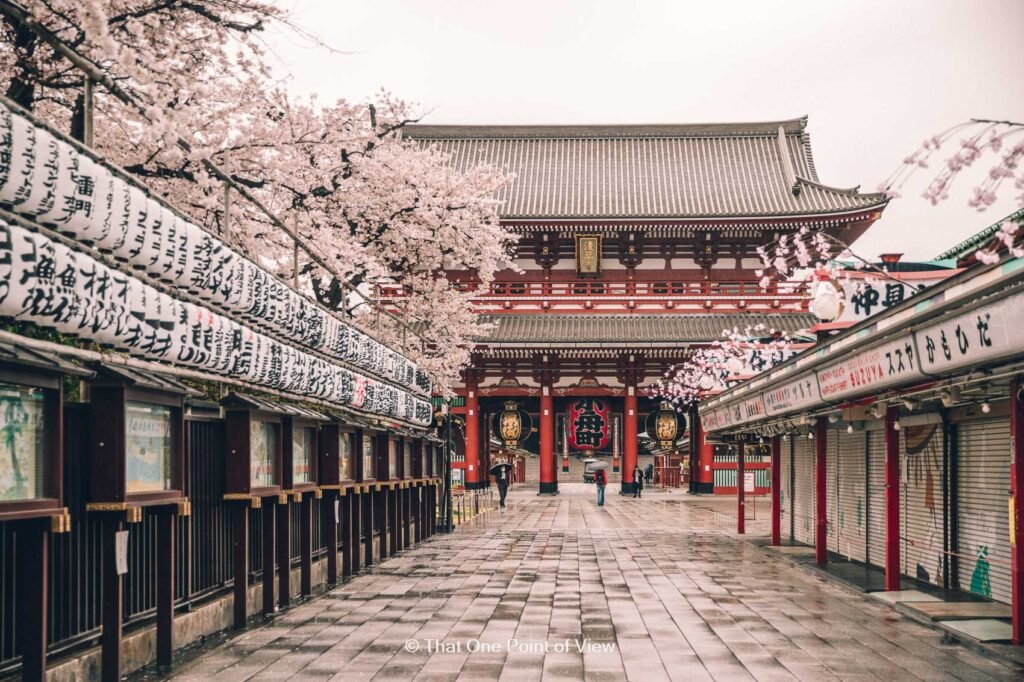
An Efficient 2 Week Japan Itinerary for First Time Travelers
Planning a trip to Japan for the first time? Buckle up. Japan is a mesmerizing blend of ancient temples, futuristic cities, scenic nature, and unique cultural experiences that leave travelers in awe. But with so many places to visit and only two weeks to explore, creating an efficient itinerary can be overwhelming.
This comprehensive 14-day Japan itinerary is tailored for first-time visitors—balancing the highlights, travel time, cultural exposure, and relaxation. Whether you’re into temples, city life, food, or nature, this plan ensures you make the most of your adventure.
Planning your very first trip to Japan? Get ready—this is going to be one unforgettable ride.
Japan is not just another travel destination; it’s an entire world of contrasts waiting to be discovered. From the bright, futuristic skyline of Tokyo to the peaceful Zen gardens of Kyoto, from bustling street markets to silent mountain shrines, Japan seamlessly blends centuries-old traditions with some of the most cutting-edge modernity on Earth. It’s a place where vending machines coexist with ancient Shinto rituals, and bullet trains pass by rice paddies and misty temples. It’s both exhilarating and serene, chaotic and peaceful—all at once.
Yet, for first-time travelers, planning the perfect Japan itinerary can feel like solving a giant, beautiful puzzle. With so many incredible cities, cultural landmarks, and natural wonders spread across the country, choosing where to go and how to spend your time can quickly become overwhelming. Should you soak in an onsen in Hakone? Chase geishas in the alleyways of Gion? Get lost in the neon-lit madness of Osaka? Or take a peaceful ferry ride to a sacred island shrine? The options are endless—and that’s exactly why you need a smart, efficient plan.
This carefully crafted 14-day Japan itinerary is designed specifically with first-time visitors in mind. It balances must-see highlights with off-the-beaten-path gems, while also factoring in travel time, cultural immersion, and moments of pure relaxation. Whether your heart beats faster for ancient temples, crave-worthy cuisine, majestic mountains, or vibrant cityscapes, this route ensures you’ll experience Japan in a way that’s exciting, immersive, and manageable.
You’ll explore world-famous cities like Tokyo, Kyoto, and Osaka; unwind in scenic hot spring towns like Hakone; reflect on history in Hiroshima; and be inspired by nature in places like Nara and Miyajima. Each stop has been selected not just for its beauty or fame, but for how it contributes to a broader, deeper understanding of Japan’s identity—both old and new.
So if you’re ready to walk through thousands of vermilion torii gates, taste fresh sushi at the source, ride bullet trains through the countryside, and experience the full spectrum of Japanese life in just two weeks—this is your ultimate guide.
Let’s dive into the perfect 2-week Japan itinerary that promises wonder, discovery, and memories that will stay with you long after your trip ends.

Overview: Your 2-Week Japan Route
Here’s a high-level breakdown of your journey:
- Day 1–3: Tokyo – Modern cityscapes, food, pop culture
- Day 4–5: Hakone – Hot springs, Mt. Fuji views, traditional inns
- Day 6–8: Kyoto – Temples, shrines, geishas, traditional charm
- Day 9–10: Nara & Osaka (day trips) – Deer parks, Osaka street food
- Day 11–12: Hiroshima & Miyajima – Peace history & floating shrine
- Day 13–14: Tokyo – Return to Tokyo for shopping & wrap-up
Arrival in Tokyo (Day 1–3)

Tokyo, Japan’s bustling capital, is the perfect place to begin. It’s fast, energetic, and packed with iconic landmarks.
Highlights:
- Explore Shibuya Crossing – The world’s busiest pedestrian crossing.
- Visit Meiji Shrine – A peaceful sanctuary in the heart of the city.
- Stroll through Harajuku – Youth fashion, crepes, and quirky shops.
- Admire Tokyo Skytree or Tokyo Tower – For panoramic views.
- Dive into Akihabara – Heaven for anime, gaming, and tech lovers.
- Walk around Asakusa – Home to Senso-ji Temple and Nakamise Street.
- Sample street food in Ueno and Ameya-Yokocho Market.
Where to Stay:
Choose accommodations in Shinjuku, Shibuya, or Asakusa for easy transit and vibrant local experiences.
Day 4–5: Hakone – Hot Springs & Mt. Fuji Views
Just a couple of hours from Tokyo, Hakone is a tranquil escape offering onsen (hot springs) and incredible Mt. Fuji views.
Highlights:
- Stay in a traditional ryokan – Complete with tatami floors and kaiseki dinner.
- Relax in an onsen – Enjoy the therapeutic hot spring baths.
- Cruise on Lake Ashi – A scenic boat ride with Fuji in the backdrop.
- Ride the Hakone Ropeway – Soar above volcanic valleys like Owakudani.
- Visit the Hakone Open-Air Museum – Art meets nature in a forested setting.
Travel Tip:
Use the Hakone Free Pass to cover local transport and attractions. Leave bulky luggage in Tokyo—bring an overnight bag instead.
Day 6–8: Kyoto – Cultural Heart of Japan
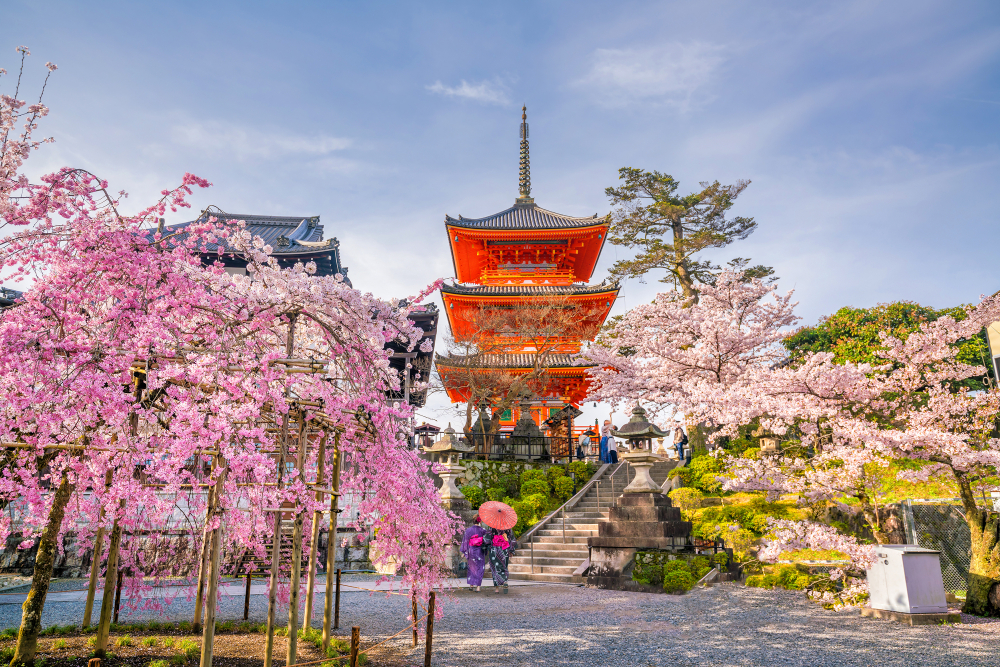
Kyoto is the soul of Japan. With over 1,000 temples, peaceful gardens, and old-world charm, it’s the place to slow down and connect with traditional Japanese culture.
Highlights:
- Fushimi Inari Shrine – Walk through thousands of vermilion torii gates.
- Arashiyama Bamboo Grove – Magical, camera-worthy scenery.
- Kinkaku-ji (Golden Pavilion) – A Zen temple covered in gold leaf.
- Gion District – Spot geishas and explore wooden teahouses.
- Nijo Castle – A former imperial residence with nightingale floors.
- Philosopher’s Path – A peaceful stroll along cherry trees and temples.
Where to Stay:
Stay near Kyoto Station, Gion, or Downtown Kyoto for convenience and ambiance.
Day 9: Nara Day Trip – Temples & Tame Deer
From Kyoto, take a short day trip to Nara, Japan’s first permanent capital.
Highlights:
- Nara Park – Feed and interact with friendly, free-roaming deer.
- Todai-ji Temple – Home to the Great Buddha, one of the world’s largest bronze statues.
- Kasuga Taisha Shrine – Known for its thousands of stone lanterns.
- Isuien Garden – A quiet, beautifully landscaped garden.
Travel Tip:
Buy a JR Pass or Kintetsu Rail Pass to make the journey cheaper and faster.
Day 10: Osaka Day Trip – Street Food & Nightlife

Next, head to Osaka, a city with a rebellious spirit and mouthwatering cuisine.
Highlights:
- Dotonbori District – Neon lights, giant signs, and street food galore.
- Try Takoyaki and Okonomiyaki – Osaka’s famous comfort dishes.
- Visit Osaka Castle – A photogenic symbol of the city.
- Head to Shinsekai or Umeda Sky Building – For quirky vibes and views.
- Check out Kuromon Ichiba Market – Fresh seafood and snacks.
Pro Tip:
Stay out late! Osaka comes alive at night—perfect for izakaya hopping.
Day 11–12: Hiroshima & Miyajima Island
A sobering yet powerful experience, Hiroshima showcases Japan’s resilience and peace-oriented future.
Highlights in Hiroshima:
- Peace Memorial Park & Museum – Learn about the atomic bombing and legacy of peace.
- Atomic Bomb Dome – Preserved ruins that stand as a chilling reminder.
- Shukkeien Garden – A serene Japanese-style garden.
- Try Hiroshima-style Okonomiyaki – Layered, savory pancake.
Miyajima Day Trip:
Just off Hiroshima’s coast, Miyajima Island is known for the “floating” torii gate of Itsukushima Shrine.
- See the Great Torii Gate at high tide – A photogenic marvel.
- Hike or cable car to Mt. Misen – Stunning island views.
- Enjoy fresh oysters and momiji manju – Local specialties.
Where to Stay:
Book a hotel near Hiroshima Station for easy transit.
Day 13–14: Return to Tokyo – Shopping, Culture & Departure
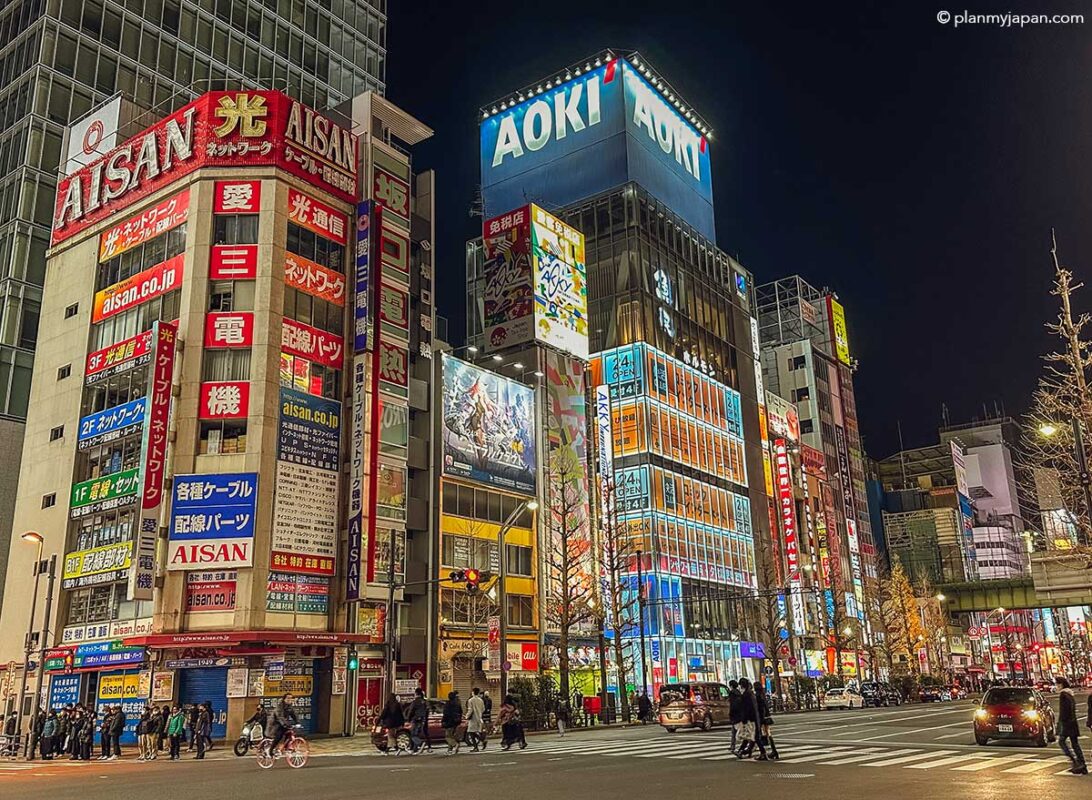
Wrap up your journey with two final days in Tokyo to catch up on shopping, experiences, or neighborhoods you missed earlier.
Highlights:
- Explore Ginza – Luxury shopping and high-end dining.
- Visit teamLab Planets or teamLab Borderless – Immersive digital art museums.
- Relax at an onsen in Odaiba or go to a themed café in Akihabara.
- Stock up on souvenirs at Don Quijote, Tokyu Hands, or local 100-yen shops.
- Catch a view from Shibuya Sky or the Tokyo Metropolitan Government Building.
Transportation Tips
Use a Japan Rail Pass:
- Worth it for this itinerary—you’ll save money on long-distance shinkansen rides.
- Activate it on Day 4 (when leaving Tokyo for Hakone) for maximum value.
Local Transit:
- Get a Suica or Pasmo card for subways and buses.
- Use Google Maps or Japan Travel App for train routes and timings.
Accommodation Recommendations
Tokyo: Shinjuku, Shibuya, Asakusa
Kyoto: Gion, Downtown, Kyoto Station
Osaka: Namba or Umeda
Hiroshima: Near Hiroshima Station
Hakone: Traditional Ryokan near Gora or Lake Ashi
What to Eat Along the Way

- Tokyo: Sushi, Ramen, Izakaya dishes
- Hakone: Kaiseki meals, Black eggs (Owakudani specialty)
- Kyoto: Matcha desserts, Yuba (tofu skin), Kyo-kaiseki
- Nara: Mochi from Nakatanidou
- Osaka: Takoyaki, Okonomiyaki, Kushikatsu
- Hiroshima: Hiroshima-style Okonomiyaki, Fresh oysters
- Miyajima: Momiji manju (maple-leaf cake), Grilled oysters
Table of Contents
Frequently Asked Questions (FAQ)
Q: Is the Japan Rail Pass worth it for 2 weeks?
A: Yes, especially if you’re visiting multiple cities like Tokyo, Kyoto, Osaka, and Hiroshima. It saves both money and hassle.
Q: Should I book accommodations in advance?
A: Absolutely. Japan’s popular spots fill up quickly, especially ryokans in Hakone or Kyoto.
Q: Is Japan safe for solo travelers?
A: Japan is one of the safest countries in the world, with low crime and polite locals.
Q: How much Japanese do I need to know?
A: Basic phrases help, but most signs are in English and people are very helpful. Google Translate can bridge any gap.
Q: When is the best time to visit Japan?
A: Spring (March–May) for cherry blossoms or autumn (October–November) for fall foliage.
Q: Can I use credit cards in Japan?
A: In big cities, yes. But always carry some cash for rural areas and smaller shops.
Final Thoughts: Why This Itinerary Works
This 2-week Japan itinerary is designed to maximize cultural depth, scenic beauty, and efficiency while still allowing enough downtime to soak in the experience. You’ll get a rich taste of modern and traditional Japan—from the neon buzz of Tokyo to the spiritual calm of Kyoto, and from the culinary chaos of Osaka to the quiet remembrance of Hiroshima.
Every stop is intentional. Each destination builds on the last, offering a new facet of Japan’s multifaceted identity—without exhausting you with excessive transit or rushed sightseeing.
Whether you’re traveling solo, as a couple, or with family, this thoughtfully-paced itinerary ensures that your first trip to Japan is not just enjoyable—but unforgettable.
Let Japan surprise you, inspire you, and call you back again.
Would you like a printable version, interactive Google Map, or custom packing list for this itinerary? Let me know!