
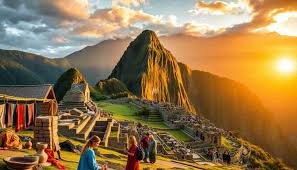
Cultural & Heritage Experiences: A Deep Dive into the Soul of Travel
When it comes to travel, not every adventure needs to be about thrill-seeking or luxury getaways. For many, the real magic lies in stepping into the stories, traditions, and legacies of a destination. That’s where cultural and heritage tourism shines—offering rich, immersive experiences that allow you to connect with the history, art, language, cuisine, and customs of different cultures around the world.
Whether it’s wandering through ancient temples, witnessing tribal rituals, or simply tasting a recipe passed down through generations, this kind of travel is about understanding the roots of humanity and appreciating the diversity that makes our world so fascinating.
When it comes to travel, not every journey has to revolve around adrenaline-pumping adventures or indulgent luxury escapes. While there’s nothing wrong with lounging on a pristine beach or enjoying five-star dining, many travelers today are seeking something deeper—something that goes beyond comfort and aesthetics. For those who crave connection and meaning, the true magic of travel often lies in immersing oneself in the stories, traditions, and heritage of a destination.
This is where cultural and heritage tourism takes the spotlight. It opens a window into the soul of a place, offering rich, authentic experiences that go far beyond the surface. It’s about walking the same cobbled streets that ancient civilizations once roamed. It’s about sitting in a family kitchen and learning how to make a dish that’s been passed down for generations. It’s about listening to age-old folk songs, participating in traditional festivals, and discovering how people live, celebrate, mourn, and create across different corners of the globe.
Cultural travel isn’t just about what you see—it’s about what you feel and absorb. It’s in the scent of spices drifting through a bustling market, the rhythm of a local drumbeat echoing through the mountains, the intricate detail of a centuries-old textile, or the hush that falls over a sacred temple at sunset. These experiences allow you to engage with the world on a profoundly human level, making each trip not just a vacation, but a personal journey of learning and appreciation.
In a world that’s increasingly globalized, with cities starting to resemble one another more and more, cultural and heritage travel serves as a vital reminder of what makes each place unique. It helps preserve languages, customs, architecture, rituals, and stories that might otherwise be lost to time. It also fosters respect and understanding between people of different backgrounds—something the modern world desperately needs more of.
So, whether you’re wandering through ancient ruins in Peru, watching a sacred dance in Bali, or sharing tea with a nomadic family in Mongolia, cultural and heritage tourism invites you to go beyond the brochure and dive deep into the heart and soul of humanity. It’s travel that teaches, connects, and transforms—not only the places you visit, but also the person you become in the process.

What Exactly Is Cultural & Heritage Tourism?
Cultural and heritage tourism involves traveling to experience the places and activities that authentically represent the stories and people of the past and present. It’s more than just sightseeing—it’s about learning, engaging, and often participating in the everyday lives and traditions of others.
These experiences are deeply rooted in:
- Architecture and historical landmarks
- Traditional music, dance, and theater
- Local festivals and celebrations
- Food customs and culinary heritage
- Handicrafts, clothing, and art
- Languages, religions, and oral histories
Cultural travel helps bridge gaps between people. It’s not just educational—it’s transformative.
Why Travelers Are Choosing Cultural Journeys
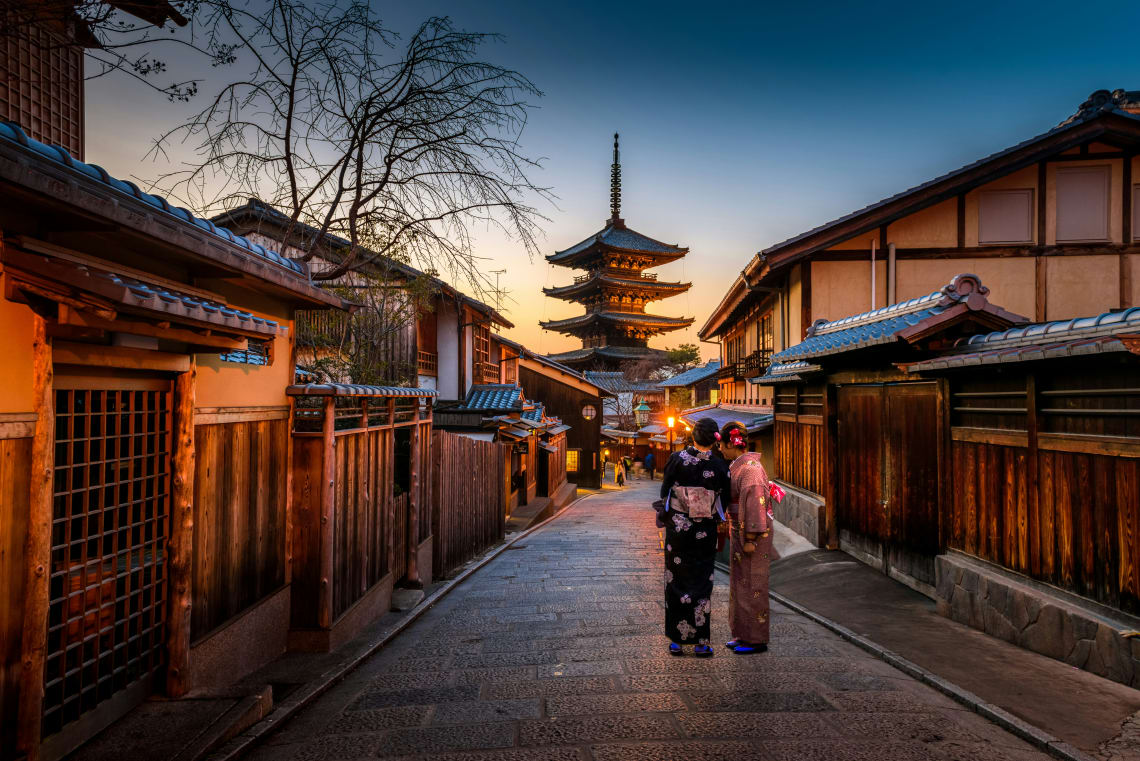
There’s been a major shift in travel trends. People are increasingly craving authenticity over aesthetics. Here’s why cultural and heritage tourism is booming:
- Deeper Emotional Connections: Visiting sacred temples or listening to ancient folk tales often leaves a stronger emotional impact than a quick photo op.
- Support for Local Communities: Cultural tourism typically benefits local artists, guides, cooks, and small businesses directly.
- More Meaningful Souvenirs: Instead of mass-produced keychains, you might take home a handwoven rug or a recipe you learned to cook yourself.
- Personal Growth: Learning about the struggles, triumphs, and traditions of others expands your worldview and makes you more empathetic.
Must-Have Cultural and Heritage Travel Experiences

Here are some of the most powerful cultural experiences you can have around the world. These moments help you see through the eyes of locals and connect with their past and present.
1. Walk Through Ancient Cities
- Explore the ruins of Petra in Jordan
- Roam the narrow alleys of Old Havana, Cuba
- Marvel at the Acropolis in Athens, Greece
- Visit Angkor Wat in Cambodia at sunrise
These locations speak volumes about empires, beliefs, and craftsmanship from centuries ago.
2. Participate in Local Festivals
- Dance with locals during Holi in India
- Watch the Day of the Dead processions in Mexico
- Witness the Cherry Blossom celebrations in Japan
- Celebrate Carnival in Rio de Janeiro
These events give you a front-row seat to a culture’s vibrant, living identity.
3. Take a Traditional Cooking Class
- Learn to make hand-rolled pasta in Tuscany
- Try your hand at Moroccan tagine in Marrakech
- Join a Thai street food tour with a local chef
- Bake traditional bread in a Berber village
Food is the heartbeat of any culture—sharing a meal bridges any language gap.
4. Visit Historical and Religious Landmarks
- Admire the Blue Mosque in Istanbul
- Light a candle at Notre-Dame in Paris
- Explore the Pyramids of Giza
- Walk the Camino de Santiago in Spain
These sacred spaces are rich in history and continue to hold spiritual significance today.
5. Explore Indigenous and Tribal Traditions
- Spend time with Maasai tribes in Kenya
- Discover the world of Sami reindeer herders in Scandinavia
- Visit First Nations communities in Canada
- Learn Aboriginal dreamtime stories in Australia
Respectfully engaging with indigenous cultures offers rare insights into sustainable living and ancestral knowledge.
6. Dive Into Traditional Music and Dance
- Watch a flamenco performance in Seville
- Listen to Tuvan throat singing in Mongolia
- Attend a Balinese gamelan performance
- Dance to the rhythm of samba in Brazil
Every rhythm, step, and song carries centuries of meaning and pride.
7. Visit Museums and Cultural Centers
- Stroll through the Louvre in Paris
- Explore the Apartheid Museum in Johannesburg
- Learn at the Smithsonian in Washington, D.C.
- Walk through the Museum of Islamic Art in Doha
Museums are great entry points to understand a country’s evolution and identity.
Sustainable Cultural Tourism: Doing It the Right Way

Engaging with another culture comes with a responsibility to do so respectfully and sustainably. Here’s how to ensure your cultural journey has a positive impact:
- Choose Local Guides: They offer richer stories and first-hand perspectives.
- Be Respectful of Traditions: Always ask before taking photos, especially during rituals or in sacred spaces.
- Support Local Artisans: Buy crafts directly from creators, not mass-production outlets.
- Dress Modestly When Required: Especially in conservative regions or religious sites.
- Learn Basic Phrases: Even a simple “thank you” in the local language shows effort and respect.
Being mindful helps preserve cultural integrity and encourages locals to continue sharing their traditions.
How to Plan a Culturally Rich Trip

Want to immerse yourself in culture on your next journey? Here’s how to make it happen:
- Research Before You Go: Understand local customs, etiquette, and important historical events.
- Look Beyond Major Cities: Small towns and rural areas often offer deeper cultural encounters.
- Stay with Locals: Choose homestays or guesthouses over international hotel chains.
- Book Cultural Experiences: Use platforms that specialize in connecting travelers with locals.
- Keep an Open Mind: Be ready to experience culture shock, and view it as a learning opportunity.
Cultural Tourism vs. Heritage Tourism: What’s the Difference?

While they often go hand-in-hand, there’s a subtle difference between the two:
- Cultural Tourism focuses on living cultures—like language, arts, festivals, and daily life.
- Heritage Tourism emphasizes historical sites, ancient traditions, and legacies of the past.
Think of it this way: Watching a traditional dance today is cultural tourism; visiting the ruins of a palace where that dance originated centuries ago is heritage tourism. Together, they offer a complete, immersive experience.
Table of Contents
FAQs: Cultural & Heritage Travel
What are examples of cultural tourism?
Cultural tourism includes activities like watching traditional performances, joining local cooking classes, attending festivals, visiting artisan workshops, or learning regional dances and customs.
What is heritage tourism?
Heritage tourism centers on exploring historical sites, landmarks, and monuments that preserve a culture’s history, such as castles, temples, archaeological ruins, or old villages.
Is cultural tourism expensive?
Not necessarily. Many experiences like museum visits, village homestays, and local tours are very budget-friendly. In fact, cultural travel often costs less than resort or luxury-focused trips.
How can I respect local culture while traveling?
Dress appropriately, ask before taking photos, learn a few local phrases, avoid disruptive behavior, and support local businesses and guides.
Can I combine cultural tourism with other types of travel?
Absolutely. Many travelers mix culture with nature tourism, food tourism, or even adventure travel. For example, you can hike to a remote village and then attend a local festival there.
Conclusion: Why Cultural Travel Matters More Than Ever
In a fast-paced world dominated by digital distractions and fast tourism, cultural and heritage travel offers something truly valuable—connection. It allows us to pause, listen, and learn from people whose lives may look very different from our own. It breaks down walls and builds empathy. It helps preserve traditions that could otherwise fade into the background.
Whether you’re stepping into an ancient ruin, sharing a family meal with locals, or dancing to an unfamiliar rhythm, every moment spent embracing another culture brings you closer to the essence of what it means to be human.
So next time you’re planning a trip, think beyond the checklist. Seek out the stories. Sit with the elders. Try the unfamiliar. And leave with more than just memories—leave with meaning.
Would you like this as a downloadable format (PDF or Word), or want a version tailored to a specific country or region?