

Historical & Archaeological Sites: Exploring the World’s Ancient Wonders
These places aren’t just remnants of the past—they’re living chapters of human civilization. They reveal who we were, how we lived, what we worshipped, and how we built the foundations of today’s world. For travelers who crave more than just pretty views, history-rich destinations offer a chance to connect with time itself.
Let’s dive deep into the world of historical and archaeological tourism—what it means, where to go, what to expect, and why it continues to captivate curious minds and cultural explorers around the globe.
Every worn-out stone, every ancient ruin, and every crumbling wall carries the echo of a civilization long gone. Whether you’re wandering through the timeless alleyways of Pompeii, tracing the footsteps of pharaohs along the Nile, or getting lost in the mystery of Machu Picchu—historical and archaeological tourism is about more than sightseeing. It’s about time travel, in the most real way possible.
This type of tourism opens doors to the past, helping us better understand the origins of humanity, our cultural evolution, and the triumphs (and tragedies) that shaped the world. For travelers with a curious mind and a love of storytelling, it’s one of the most enriching ways to explore.

What Is Historical and Archaeological Tourism?
Historical tourism refers to travel that focuses on exploring places of significant past events, civilizations, or heritage. It includes:
- Castles, forts, palaces, and ancient cities
- Monuments, cathedrals, mosques, and synagogues
- Historic battlefields or sites of political importance
Archaeological tourism, on the other hand, specifically revolves around excavated ruins and prehistoric or ancient artifacts. This includes:
- Ruins of lost civilizations
- Burial sites and tombs
- Rock carvings, cave paintings, and relics
Together, they offer an enriching experience that blends education, culture, exploration, and wonder.
Why Historical and Archaeological Tourism Matters
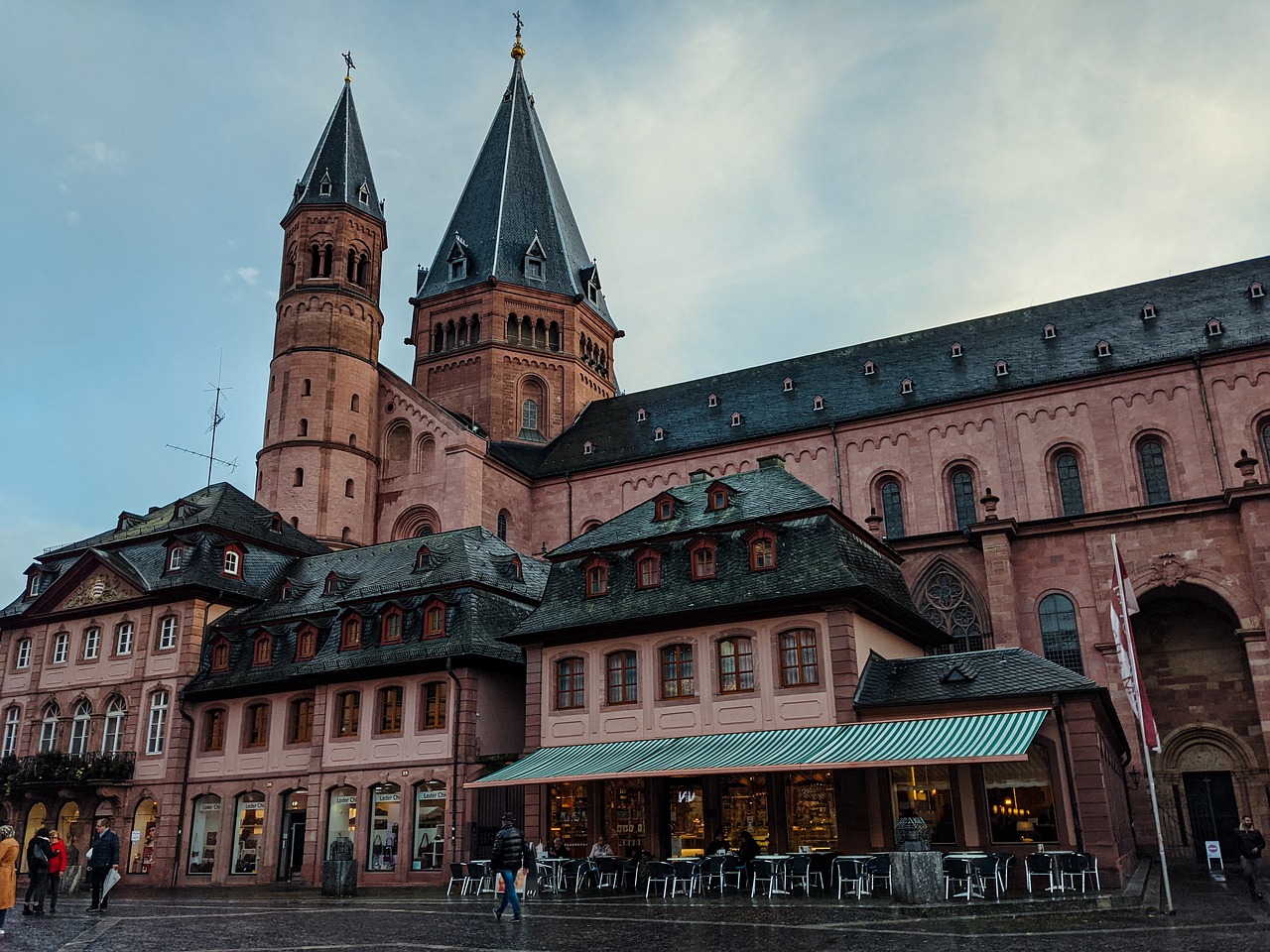
There’s a reason millions of people visit ancient cities, historic landmarks, and archaeological digs each year. It’s not just about admiration—it’s about understanding humanity’s story.
1. Learning Through Experience
Reading about ancient Rome in a textbook is one thing. Standing in the Roman Forum, surrounded by 2,000-year-old columns, is something else entirely.
2. Preserving Global Heritage
By visiting and supporting these sites, travelers contribute to heritage preservation efforts, helping future generations access the same stories.
3. Cultural Awareness and Respect
History isn’t one-dimensional. These sites offer insights into diverse cultures, belief systems, and power dynamics across time.
4. Emotional and Spiritual Connection
Many historical places, especially religious or sacred ruins, evoke a deep emotional response—connecting travelers to something bigger than themselves.
5. Enriching Travel Memories
Visiting historical and archaeological sites leaves you with lasting impressions and deep knowledge, far beyond the average tourist experience.
Top Historical & Archaeological Sites Around the World

Here are some of the most iconic—and awe-inspiring—places that history lovers and curious travelers must see:
1. The Pyramids of Giza – Egypt
Standing for over 4,500 years, the Great Pyramid of Giza is the last remaining wonder of the ancient world. Explore royal tombs, hieroglyphics, and Egypt’s fascinating funeral rituals.
2. Machu Picchu – Peru
High in the Andes, the Incan city of Machu Picchu is a breathtaking archaeological site, blending engineering brilliance with spiritual mystery.
3. Petra – Jordan
Known as the Rose City, Petra is carved entirely into sandstone cliffs. Walk through the narrow Siq canyon to uncover the iconic Treasury and ancient tombs.
4. Angkor Wat – Cambodia
The world’s largest religious monument, Angkor Wat, is a stunning example of Khmer architecture and a spiritual wonder surrounded by jungle ruins.
5. The Acropolis – Greece
Overlooking Athens, the Acropolis is home to the Parthenon and other magnificent structures that embody ancient Greek art, politics, and mythology.
6. Pompeii – Italy
Frozen in time by volcanic ash, Pompeii offers a unique snapshot of Roman life, from homes and streets to public baths and theaters.
7. Chichen Itza – Mexico
A major Mayan city with towering pyramids like El Castillo, Chichen Itza highlights the astronomical and architectural achievements of the ancient Maya.
8. Stonehenge – England
This prehistoric stone circle has puzzled historians for centuries. Was it a burial site, calendar, or ritual space? The mystery adds to its allure.
9. Lalibela – Ethiopia
Famous for its rock-hewn churches, Lalibela is a sacred city that feels like stepping into a biblical world carved entirely by hand.
10. The Terracotta Army – China
An underground army of 8,000 life-sized warriors, built to guard China’s first emperor in the afterlife, discovered only in 1974.
Types of Historical & Archaeological Travel Experiences

You don’t have to be an archaeologist to enjoy these adventures. There are so many ways to explore history on your travels:
1. Guided Historical Tours
- Led by experts or local historians
- In-depth knowledge of the site’s significance
- Great for first-time visitors
2. Archaeological Digs & Workshops
- Volunteer programs for excavation work
- Educational programs on ancient tools, pottery, etc.
- Hands-on experiences with real artifacts
3. Museum Visits
- Discover curated collections of artifacts
- Learn timelines, dynasties, and ancient technologies
- Often linked to nearby historical sites
4. Self-Guided Walking Tours
- Perfect for slow travelers
- Use apps or maps to explore at your pace
- More freedom and flexibility
5. Thematic Heritage Trails
- Follow routes like the Silk Road or Roman roads
- Multi-country experiences with linked histories
How to Prepare for Historical & Archaeological Travel
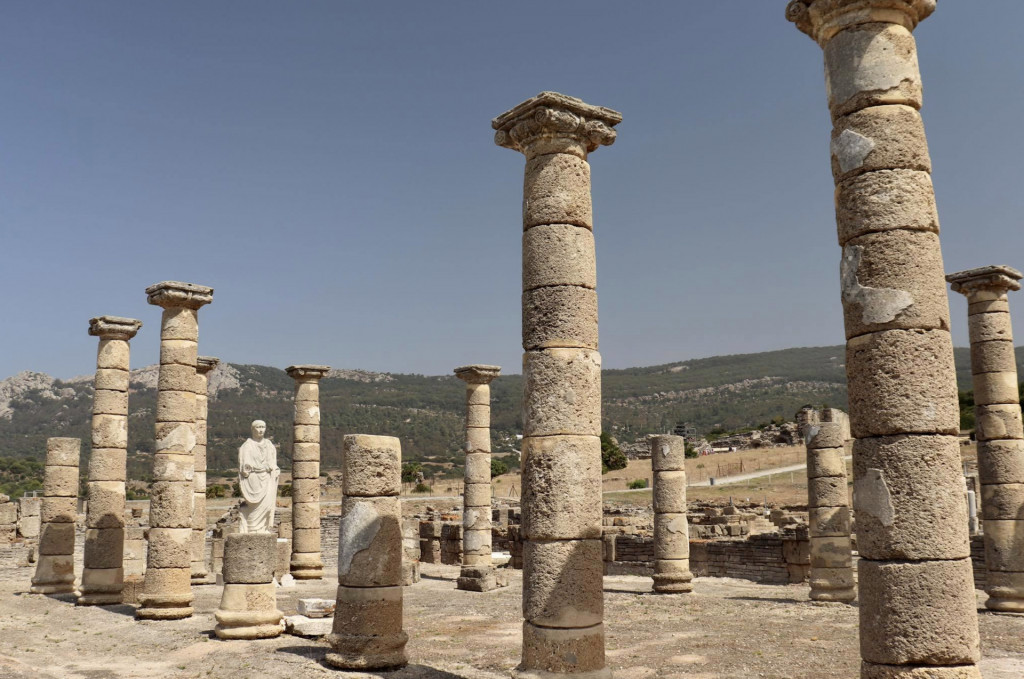
To truly make the most of your trip, it helps to prepare a bit beforehand:
✔️ Read up on the site’s background and timeline
✔️ Wear comfortable shoes—many sites involve a lot of walking
✔️ Respect preservation rules (no touching, no flash photography)
✔️ Be weather-aware—some ruins are exposed to heat, wind, or rain
✔️ Hire local guides when possible—they offer stories you won’t find in books
✔️ Pack water, sun protection, and layered clothing for comfort
Responsible and Ethical Travel at Heritage Sites

These historical wonders are delicate and irreplaceable. It’s essential to travel responsibly:
- Don’t climb or touch ancient structures unless clearly permitted
- Stick to designated paths to avoid damaging ruins
- Avoid souvenir vendors selling stolen or fake artifacts
- Support preservation by donating or paying entry fees
- Respect cultural customs, especially in sacred spaces
Every respectful step helps protect these sites for future generations.
Table of Contents
Frequently Asked Questions (FAQs)
What’s the difference between historical and archaeological tourism?
Historical tourism focuses broadly on visiting sites of cultural, political, or religious importance from the past. Archaeological tourism is specifically about exploring ancient ruins, excavations, and artifacts—usually uncovered through digs and research.
Are archaeological sites open to the public?
Most major sites are open to visitors, but some areas may be restricted due to ongoing excavations or preservation efforts. Always check local rules and accessibility options before your visit.
Can I join an archaeological dig as a tourist?
Yes, many organizations and universities offer volunteer archaeology programs where you can assist in actual digs under supervision. These are typically available during specific seasons.
Do I need special permits to visit heritage sites?
Some countries require permits or guided access for certain protected sites, especially UNESCO World Heritage Sites or restricted religious monuments. Check with local tourism offices ahead of time.
How can I tell if a historical site is authentic or a replica?
Most official sites are managed by national heritage departments or UNESCO. Avoid overly commercialized attractions that lack historical verification or context.
Conclusion: Where the Past Comes Alive
Exploring historical and archaeological sites is one of the most meaningful ways to travel. These destinations don’t just showcase beautiful ruins—they offer insight into human resilience, imagination, innovation, and belief.
From towering pyramids and silent temples to ancient streets where everyday life once bustled, each site gives us a glimpse into the lives of those who came before us. It’s humbling, inspiring, and unforgettable.
So whether you’re a history buff, a curious traveler, or someone seeking a deeper connection to humanity’s shared past, these journeys are more than worth taking. Step into history—and let the past guide your next adventure.
Let me know if you’d like a downloadable version, a blog-ready format, or if you want this tailored to a specific country or region (e.g., “Historical Sites in Europe” or “Ancient Wonders of the Middle East”).