
How to Plan a Day Trip to Mount Fuji from Tokyo
So, you’re in Tokyo and dreaming of seeing the majestic Mount Fuji up close? Whether it’s your first time in Japan or your tenth, a day trip to Mount Fuji is one of those unforgettable experiences you simply can’t skip. But here’s the thing—planning a successful one-day adventure to Japan’s most iconic mountain takes more than just hopping on a train and hoping for good weather.
In this in-depth guide, we’ll walk you through exactly how to plan the ultimate Mount Fuji day trip from Tokyo—from choosing the best viewing spots and transportation options to practical tips, itineraries, and FAQs. You’ll get the most out of your trip without stress, confusion, or wasted time.
So, you’ve landed in Tokyo—the buzzing capital of Japan—and you’re already dreaming of escaping the urban jungle to catch a glimpse of the country’s most iconic natural wonder: Mount Fuji. Whether this is your very first visit to Japan or your tenth time returning to its captivating blend of modernity and tradition, taking a day trip to Mount Fuji is one of those unforgettable travel experiences that absolutely belongs on your itinerary.
Towering at 3,776 meters, Mount Fuji isn’t just Japan’s tallest mountain—it’s a cultural symbol, a spiritual icon, and a globally recognized UNESCO World Heritage Site. Its near-perfect symmetry and snow-capped peak have inspired centuries of poets, painters, and pilgrims. And luckily for travelers staying in Tokyo, this majestic mountain is just a short train or bus ride away—making it one of the most rewarding and accessible day trips from the capital city.
But here’s the thing—Mount Fuji doesn’t always play nice. Because the mountain is often shrouded in clouds or mist, a successful trip requires more than just spontaneity and enthusiasm. If you want to make the most of your journey and increase your chances of actually seeing Fuji in her full glory, you’ll need a well-thought-out plan that includes the right time, transportation, destination, and a few savvy travel tips.
That’s exactly why we’ve put together this comprehensive, easy-to-follow guide to planning the ultimate Mount Fuji day trip from Tokyo. Whether you’re looking for the best Fuji-viewing towns like Kawaguchiko and Hakone, trying to understand your train and bus options, or wondering which local attractions to add to your route, we’ve got you covered from start to finish.
By the end of this guide, you’ll be fully prepared to make the most out of your Mount Fuji adventure—without the stress, confusion, or wasted time. From curated itineraries and ideal travel seasons to money-saving passes and insider FAQs, this is your go-to resource for turning that Fuji daydream into an epic reality.
Why Take a Day Trip to Mount Fuji from Tokyo?
Mount Fuji, or “Fujisan,” is not only Japan’s highest peak at 3,776 meters—it’s a sacred symbol of national pride, natural beauty, and artistic inspiration. Located about 100 kilometers southwest of Tokyo, it’s perfectly accessible as a day trip, offering a stark contrast to the fast-paced capital with serene lakes, lush forests, quaint villages, and incredible panoramic views.
Here’s why a day trip from Tokyo to Mount Fuji is worth it:
- You don’t need to overnight—it’s close enough to return the same day.
- It’s a budget-friendly escape compared to multi-day guided tours.
- You can customize your itinerary—visit lakes, temples, museums, or just soak in the views.
- It’s ideal for photographers, hikers, or casual sightseers.
Best Time to Visit Mount Fuji
Mount Fuji looks different in every season, but your chances of clear views vary. Here’s when to go:
- Winter (December to February) – Best for clear skies and stunning snow-capped views.
- Spring (March to May) – Cherry blossoms with Fuji in the background? Yes, please.
- Summer (July to early September) – Climbing season if you’re feeling adventurous.
- Autumn (October to November) – Gorgeous fall foliage and cooler weather.
Avoid rainy season (June) and cloudy days, as visibility can be poor. Always check the local weather forecast and Fuji visibility apps before heading out.
Top Spots to See Mount Fuji on a Day Trip
There are several regions and locations offering great views and activities centered around Mount Fuji. The most popular ones for day trips include:
1. Lake Kawaguchi (Kawaguchiko)
- One of the Fuji Five Lakes, this is the most accessible and scenic.
- Stunning reflections of Mount Fuji on the lake’s surface on clear days.
- Popular attractions: Kachi Kachi Ropeway, Mt. Fuji Panoramic Ropeway, Kawaguchiko Music Forest, and Oishi Park.
2. Hakone
- Closer to Tokyo, Hakone offers hot springs (onsen), museums, and lake cruises.
- Views from Lake Ashi, the Hakone Ropeway, and the Open-Air Museum.
- Part of the Fuji-Hakone-Izu National Park, making it great for nature lovers.
3. Gotemba & Gotemba Premium Outlets
- Known for its shopping and wide-open Fuji views.
- Luxury brands at discounted prices, plus restaurants and cafes with Fuji vistas.
- Good for travelers who want a mix of retail and nature.
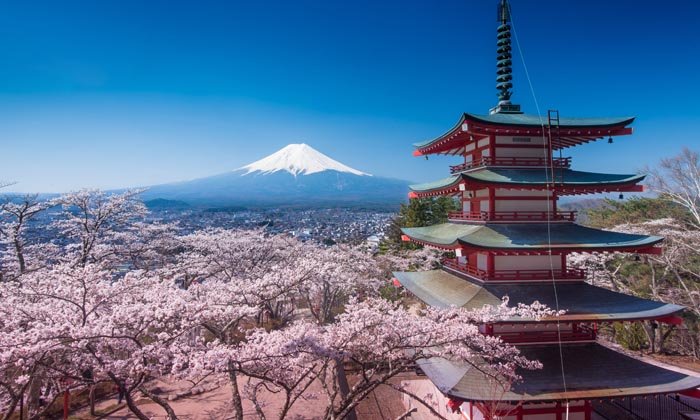
4. Chureito Pagoda (Arakurayama Sengen Park)
- Famous five-story pagoda overlooking Mount Fuji—ideal for photos.
- Best visited in spring during cherry blossom season or in fall.
- Located in Fujiyoshida, a 10-minute drive from Kawaguchiko.
How to Get to Mount Fuji from Tokyo
You’ve got a few solid transport options for your day trip—each with pros and cons depending on budget, speed, and convenience.
1. By Train (to Kawaguchiko)
- Take the JR Chuo Line from Shinjuku Station to Otsuki Station.
- Transfer to the Fujikyu Railway Line to Kawaguchiko Station.
- Total time: 2 to 2.5 hours
- Cost: Around ¥2,500–3,000 (one way)
Tip: Get the JR Tokyo Wide Pass if you’re doing more day trips—it covers the Fujikyu Railway.
2. By Bus (to Kawaguchiko)
- Direct highway buses from Shinjuku Expressway Bus Terminal to Kawaguchiko Station.
- Total time: ~2 hours (less if traffic is smooth)
- Cost: ~¥2,000 one way
Pros: No transfers, reserved seats, and often cheaper than trains.
3. By Train (to Hakone)
- From Shinjuku, take the Odakyu Romancecar or Odakyu Line to Hakone-Yumoto.
- Transfer to buses or ropeways within Hakone.
Tip: Consider the Hakone Free Pass, which includes unlimited travel in the area.
4. Join a Guided Tour
- Great for first-timers or those who want stress-free logistics.
- Options range from bus tours to private drivers, often including stops like Gotemba, Lake Ashi, or even an onsen.
- Cost: Around ¥9,000–¥15,000 per person depending on the tour.
What to Do on Your Day Trip
Once you’ve decided where to go and how to get there, the next step is building your perfect one-day Mount Fuji itinerary. Here’s what you can do based on your chosen region:
Sample Itinerary: Lake Kawaguchiko Area
- 08:00 – Depart Tokyo by bus or train
- 10:30 – Arrive at Kawaguchiko Station
- 11:00 – Visit Kachi Kachi Ropeway for panoramic Fuji views
- 12:00 – Walk along Lake Kawaguchi and have lunch at a lakeside café
- 13:30 – Head to Chureito Pagoda for epic shots of Mt. Fuji
- 15:00 – Visit Oishi Park or Kawaguchiko Music Forest Museum
- 17:00 – Return to Kawaguchiko Station for the ride back
- 19:30–20:00 – Arrive back in Tokyo
Sample Itinerary: Hakone Area
- 08:00 – Depart Tokyo on the Odakyu Line or Romancecar
- 10:00 – Arrive at Hakone-Yumoto Station
- 10:30 – Explore the Hakone Open-Air Museum
- 12:00 – Take the Hakone Ropeway for Fuji views
- 13:00 – Cruise on Lake Ashi and visit Hakone Shrine
- 14:30 – Have lunch at a local restaurant
- 16:00 – Visit an onsen or relax at a café
- 17:30 – Start return journey to Tokyo
- 19:30 – Back in the city
Things to Keep in Mind
- Visibility is never guaranteed. Fuji is notoriously shy—check weather apps like Windy, Clear Outside, or local live cams before leaving.
- Layer your clothing. Weather around Fuji can change quickly, especially in higher altitudes.
- Bring snacks and water. Some areas have limited food options, especially outside the tourist hubs.
- Pack a portable charger. You’ll take tons of photos and use your phone for maps, tickets, and translations.
- Reserve transport in advance—buses and tours often sell out during weekends and holidays.
Here is a Table of Contents in table format for your Mount Fuji day trip guide:
| Section | Description |
|---|---|
| How to Plan a Day Trip to Mount Fuji from Tokyo | Overview and purpose of the guide |
| Why Take a Day Trip to Mount Fuji from Tokyo? | Benefits and highlights of the experience |
| Best Time to Visit Mount Fuji | Seasonal tips and weather considerations |
| Top Spots to See Mount Fuji on a Day Trip | Must-visit locations with scenic views |
| 1. Lake Kawaguchi (Kawaguchiko) | Popular lake town with iconic views |
| 2. Hakone | Onsen town with mountain and lake vistas |
| 3. Gotemba & Gotemba Premium Outlets | Shopping and views combined |
| 4. Chureito Pagoda (Arakurayama Sengen Park) | Famous photo spot with pagoda and mountain |
| How to Get to Mount Fuji from Tokyo | Transport options explained |
| 1. By Train (to Kawaguchiko) | Train routes and transfer info |
| 2. By Bus (to Kawaguchiko) | Affordable and direct bus options |
| 3. By Train (to Hakone) | Accessing Hakone via rail |
| 4. Join a Guided Tour | Pros and cons of taking a tour |
| What to Do on Your Day Trip | Activities, sightseeing, and food |
| Sample Itinerary: Lake Kawaguchiko Area | Suggested plan for a Kawaguchiko-focused day |
| Sample Itinerary: Hakone Area | Suggested plan for exploring Hakone |
| Things to Keep in Mind | Important tips for a smooth trip |
| FAQs About Mount Fuji Day Trips from Tokyo | Quick answers to common questions |
| Final Thoughts: Making the Most of Your Mount Fuji Day Trip | Summary and final advice |
Let me know if you’d like this formatted for web use or with clickable links.
FAQs About Mount Fuji Day Trips from Tokyo
Q: Can you climb Mount Fuji in a day?
A: Technically yes, but it’s not advisable. Most climbers take two days to ascend and descend safely. The climbing season runs from early July to early September only.
Q: Is a day trip enough to enjoy Mount Fuji?
A: Yes! A day trip gives you enough time for sightseeing, photos, and exploring surrounding areas like Kawaguchiko or Hakone—no need to stay overnight unless you’re climbing.
Q: Do I need to book anything in advance?
A: It’s highly recommended—especially buses, ropeways, and tours. Trains don’t always require reservations, but seat reservations are available and useful during busy seasons.
Q: Can I see Mount Fuji from Tokyo?
A: On very clear days, yes—particularly from tall buildings like Tokyo Skytree or Roppongi Hills. But for close-up views, you’ll need to go to Fuji’s base areas.
Q: Which is better: Hakone or Kawaguchiko?
A: Kawaguchiko offers the best direct views of Mount Fuji. Hakone is more accessible with more varied attractions like museums, onsens, and lake cruises.
Final Thoughts: Making the Most of Your Mount Fuji Day Trip
A day trip to Mount Fuji from Tokyo is not only feasible—it’s one of the best ways to balance Japan’s urban pulse with its natural beauty. With careful planning, smart transport choices, and a flexible itinerary, you can enjoy the serenity of lakeside views, the thrill of ropeway rides, and even the charm of small-town Japan—all within a single day.
Just remember: Fuji doesn’t always show herself easily. But when she does, it’s magical. Prepare well, stay flexible, and make room in your camera roll—because seeing Mount Fuji up close is one of the most memorable moments you’ll have in Japan.
Would you like this guide in blog format, printable itinerary PDF, or need visuals added? I’m here to help!